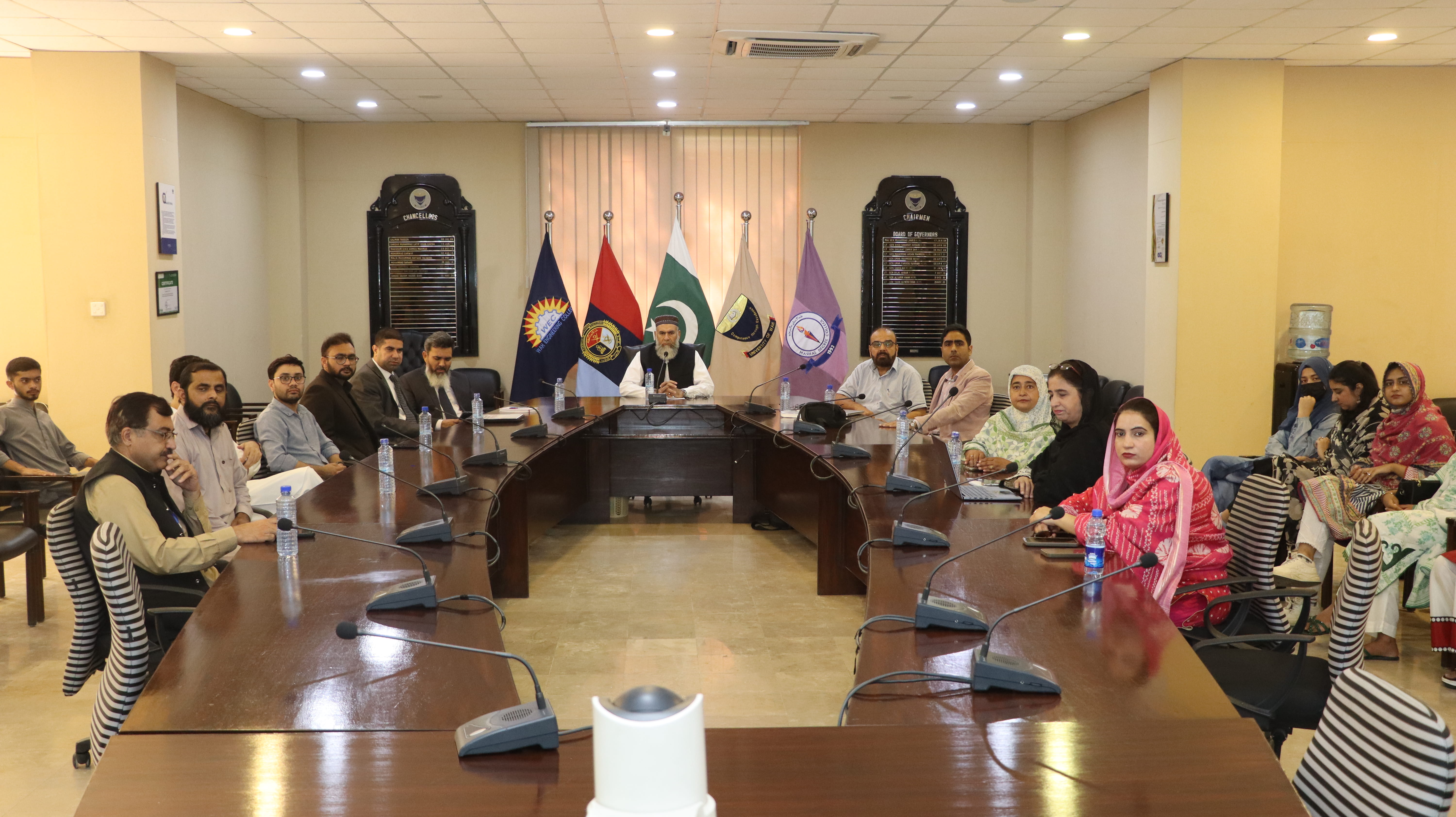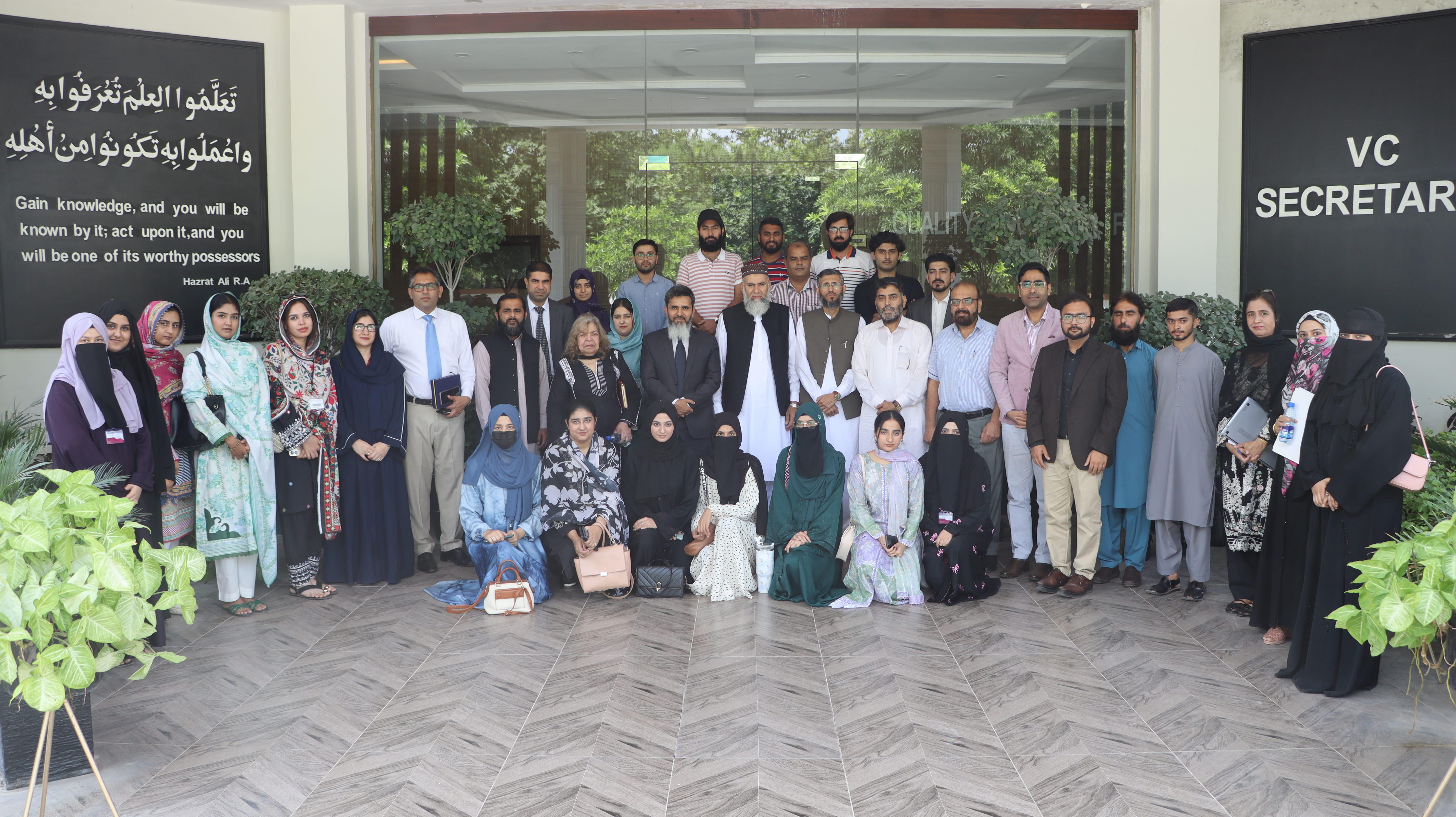
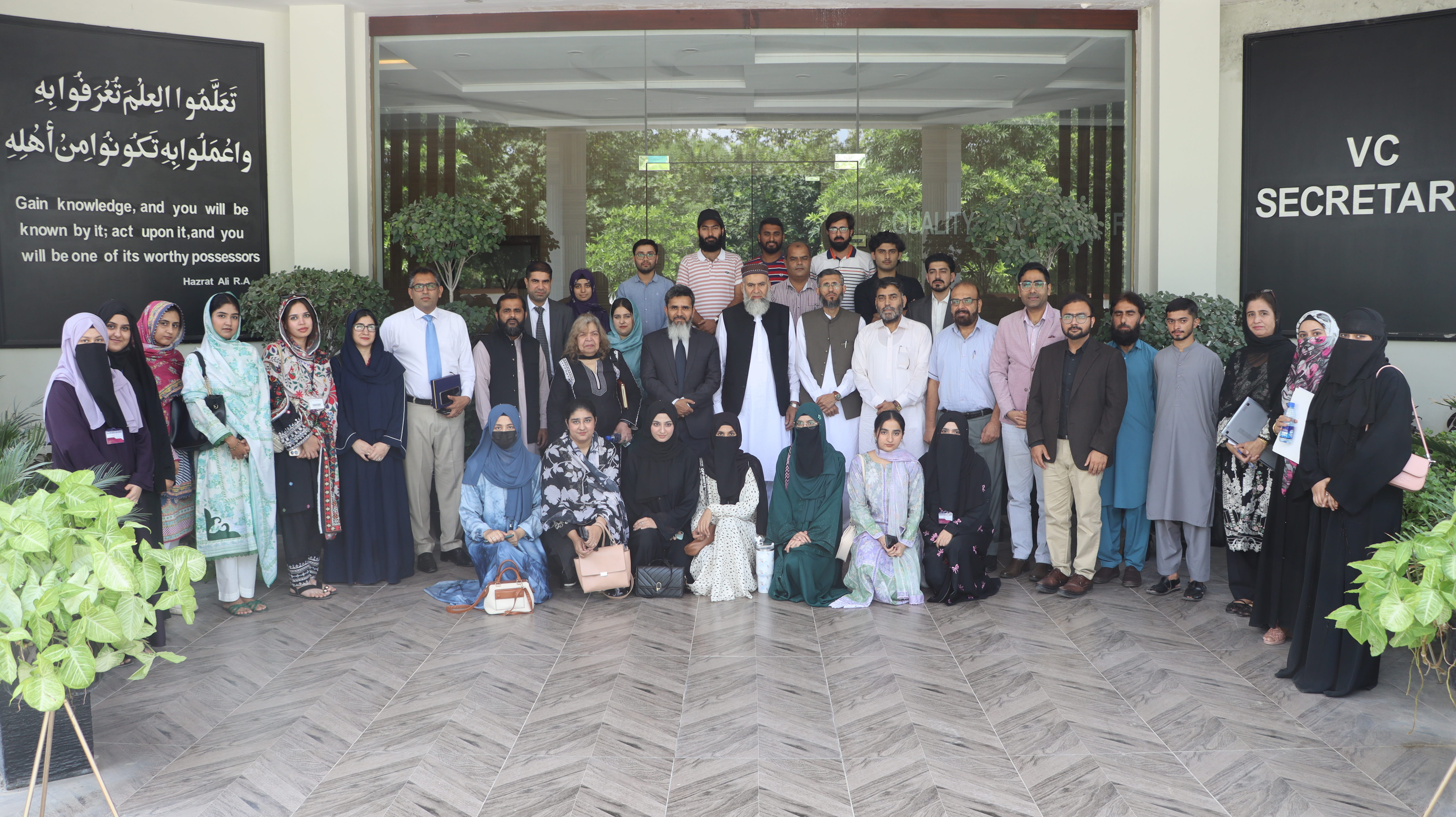
Department of Sociology, University of Wah, organized an interdisciplinary symposium titled “From Geopolitics to Human Lives: Understanding the Medical, Social, Psychological, Religious, and Political Consequences of War” on 07 September 2026, under the central theme “Beyond Borders and Battlefields: Understanding the Human Cost of War.”
The symposium brought together scholars and experts from diverse academic and professional fields to examine war beyond its military and geopolitical dimensions, highlighting its far-reaching consequences for individuals, families, communities, health systems, economies, institutions, and future generations.
Dr. Jamil Ahmed Sheikh, Chairperson, Department of Sociology, welcomed the speakers, panelists, faculty members, and participants, emphasized the importance of understanding the human and societal consequences of conflict beyond conventional military narratives.
The interdisciplinary discussions covered a wide range of perspectives. Dr. Taj Afsar, Asst. Professor, Department of Tafseer & Quranic Sciences, International Islamic Studies, Islamabad, discussed the Islamic perspective on war, peace, human dignity, justice, and moral responsibility. At the same time, Dr. Muhammad Rizwan, Dean, Faculty of Social Sciences, highlighted the psychological impact of conflict, including trauma, anxiety, grief, insecurity, and the long-term effects on children and communities. Dr. Majid addressed the social consequences of war, including displacement, social fragmentation, inequality, and disruption of families and institutions, while Dr. Attique discussed the broader social, political, economic, and humanitarian consequences of conflict.
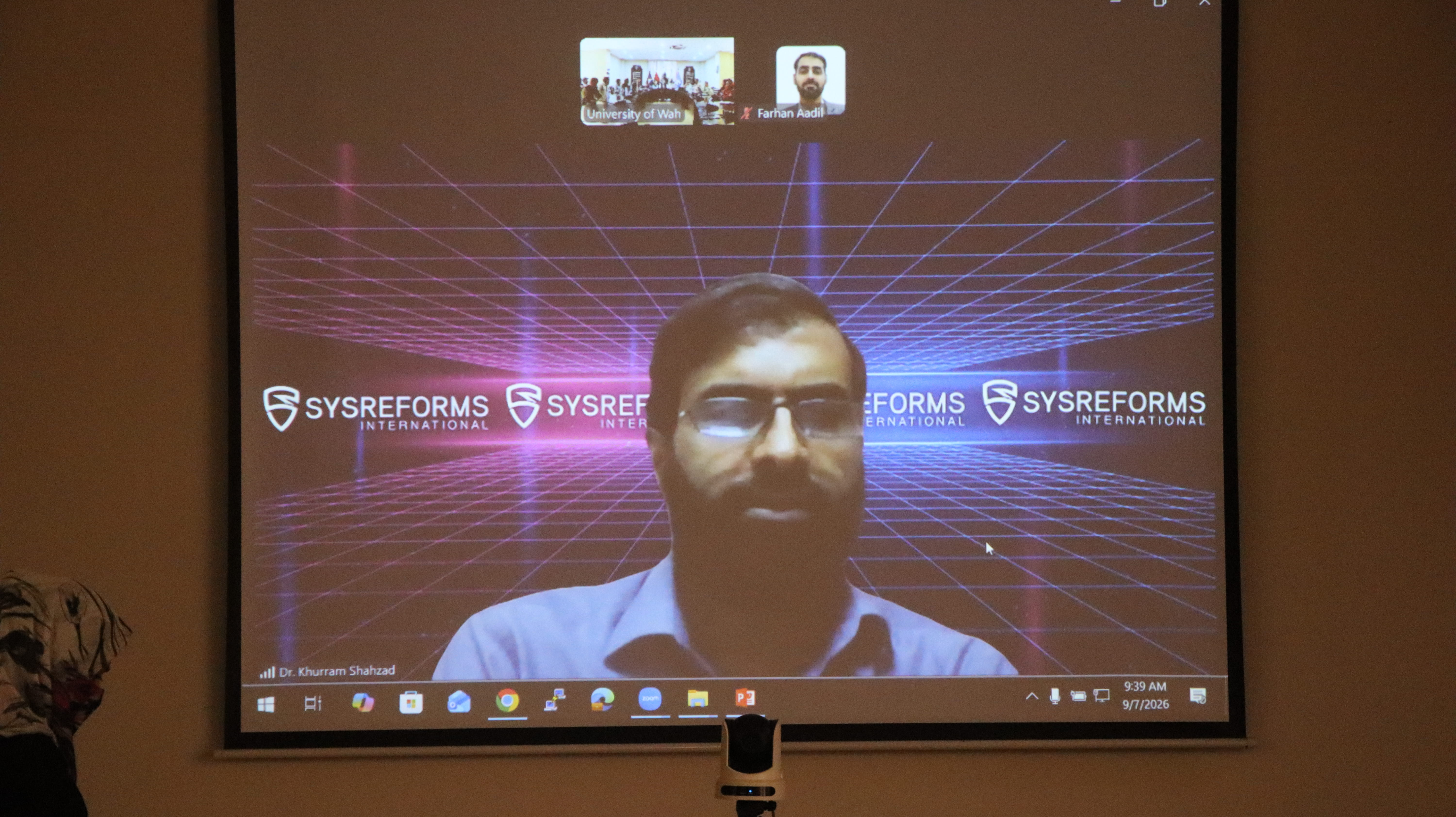
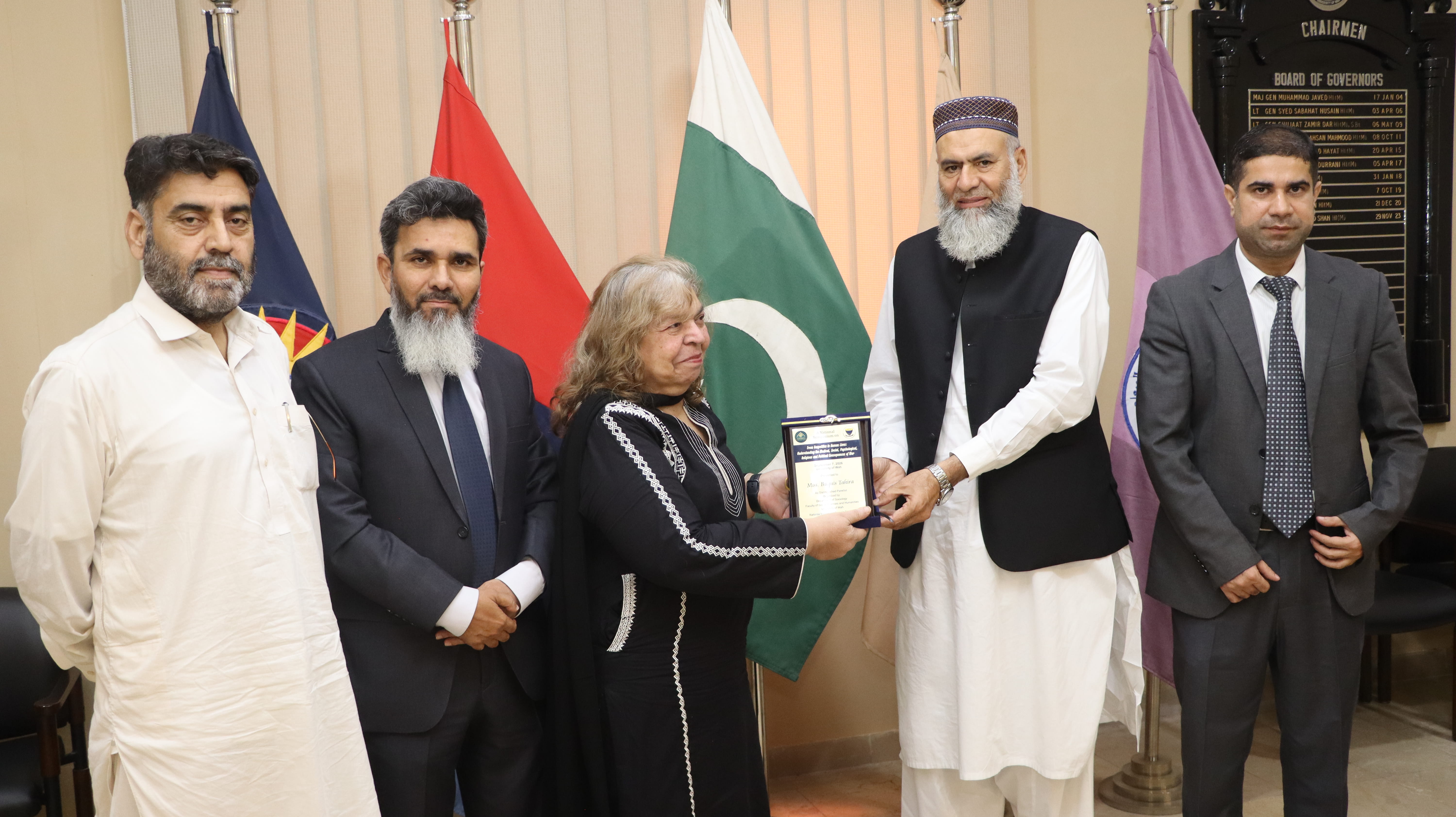
Dr. Khurram Shehzad, Director and Co-founder of System Reforms, explored the medical and public health dimensions, highlighting the impact of chronic stress and insecurity on physical & mental health, pressure on healthcare systems, and the importance of prevention and community-based approaches to recovery. Ms. Belquis Tahira, Executive Director, Shirakat, identified the disproportionate impact of conflict on women and children, including displacement, insecurity, disrupted education, violence, long-term psychological and social consequences.
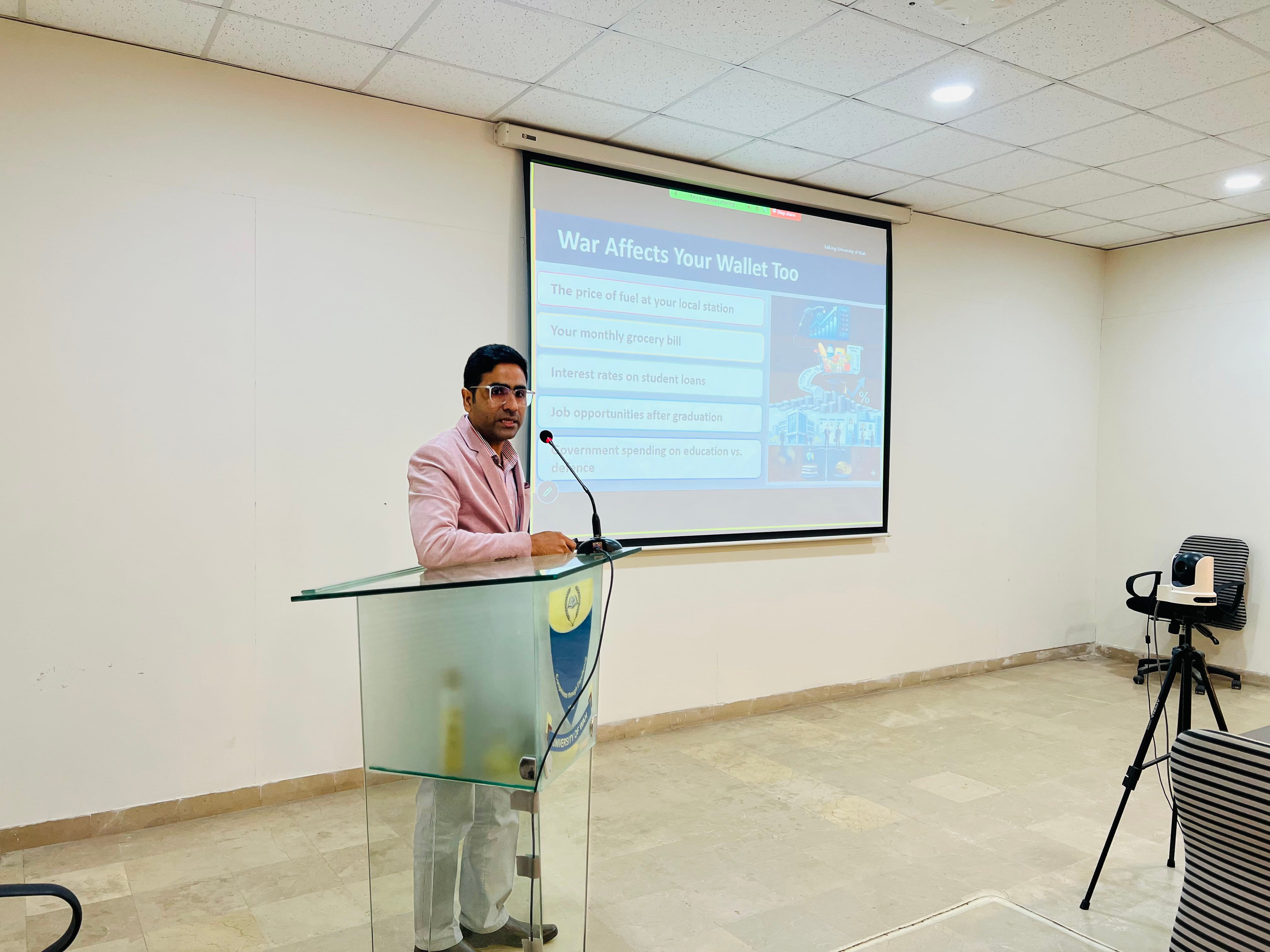
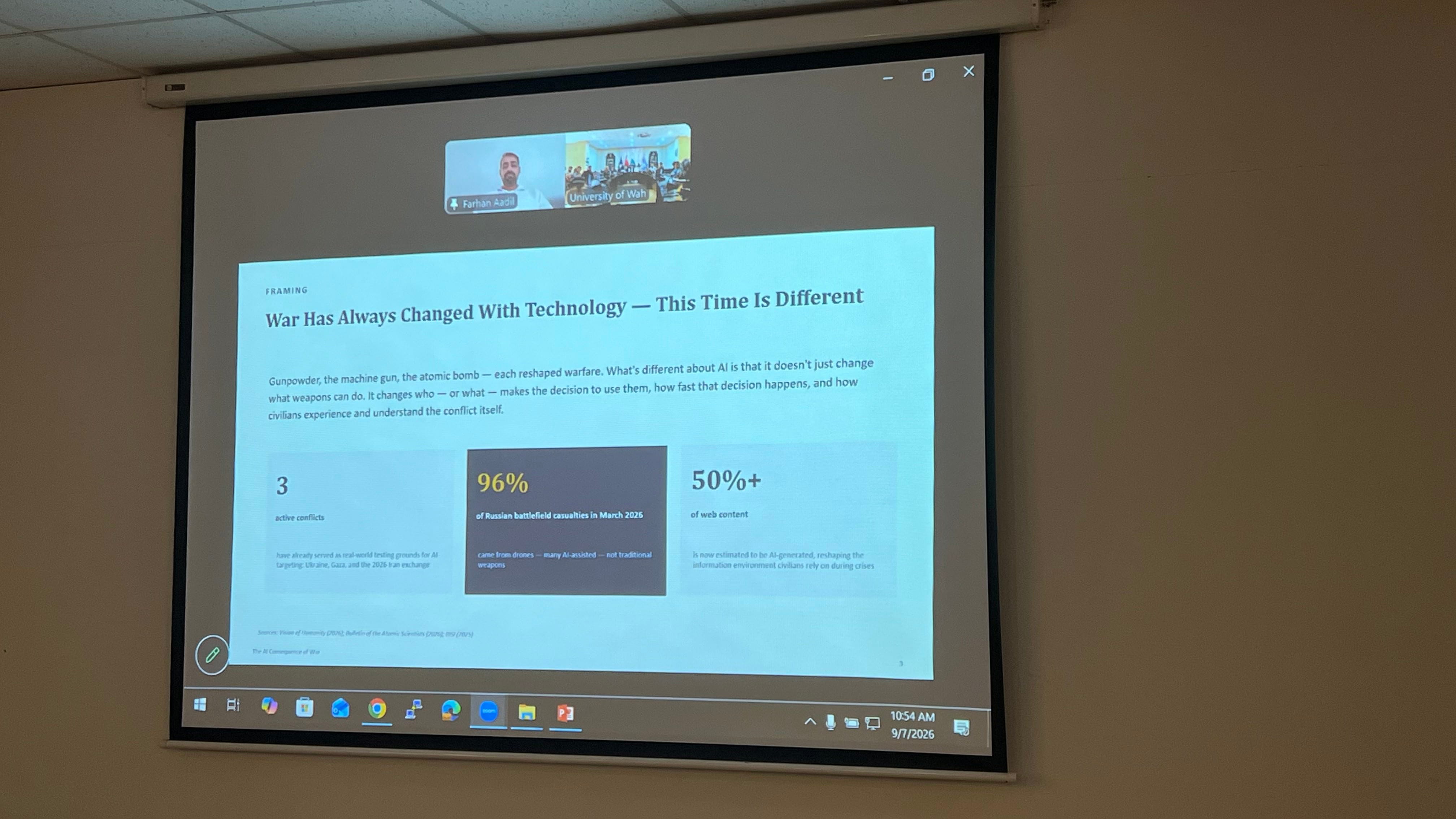
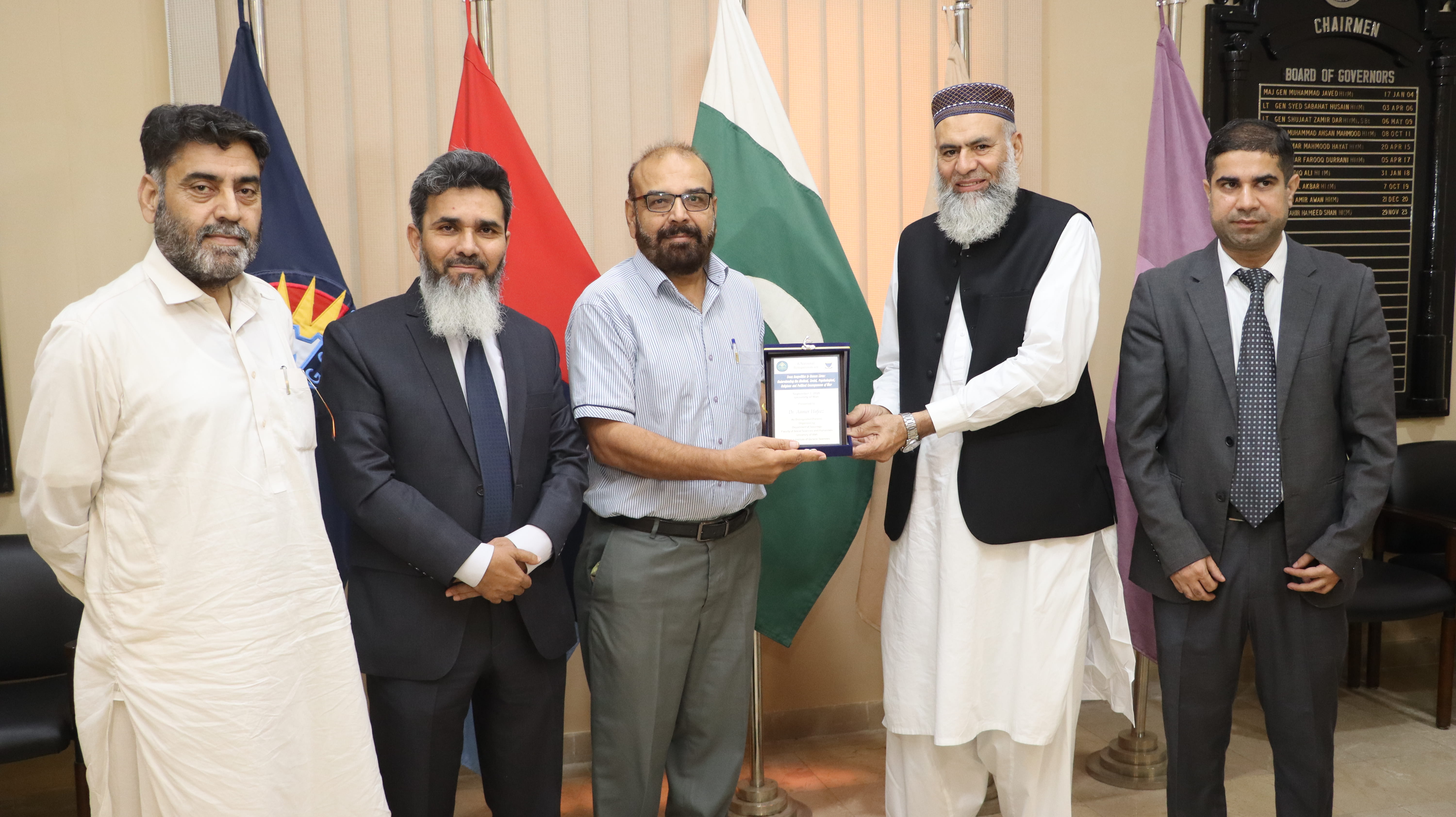
The symposium also examined the changing nature of modern warfare. Dr. Aamer Hafeez, Assistant Professor, Electrical Engineering, NUCES, Islamabad, discussed the role of digital and emerging technologies in contemporary warfare and their implications for civilian security. Dr. Muhammad Yasir, Associate Professor, Pakistan Institute of Development Economics (PIDE), Islamabad, examined the economic consequences of war, including its impact on employment, investment, prices, development, livelihoods, and public welfare. Prof. Dr. Farhan Aadil, Associate Professor, Computer Engineering Department, Sivas University of Science and Technology, Sivas, Turkey, further contributed an international and technological perspective on the transformation of contemporary conflict.
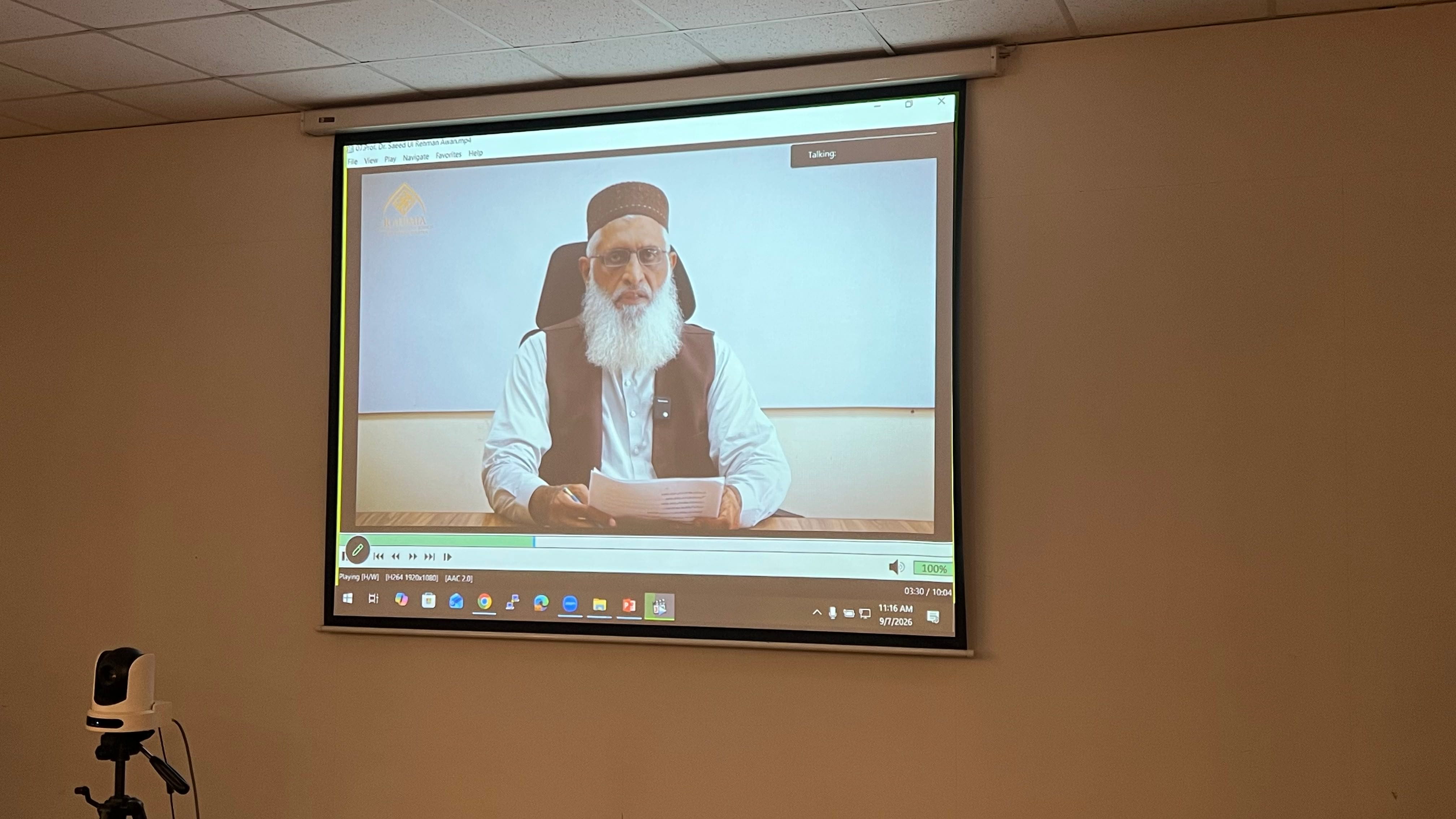
Addressing the international dimensions of war, Dr. Jamil Ahmed Sheikh discussed global power dynamics, geopolitical interests, competition among states, and the need to shift from power-based approaches towards human security, cooperation, and peace. Prof. Dr. Saeed Ul Rehman Awan, Ex-Chairman, Department of Islamic Studies, BZU, Multan, highlighted the interconnectedness of faith, politics, society, and technology, emphasizing the need for interdisciplinary dialogue to understand the complex nature of contemporary conflicts.
The symposium concluded with a collective emphasis on the need to view war as a multidimensional human crisis rather than solely a military or geopolitical phenomenon. At the end of the session, certificates and shields were presented to the distinguished speakers in acknowledgment of their valuable participation and contributions to the symposium.