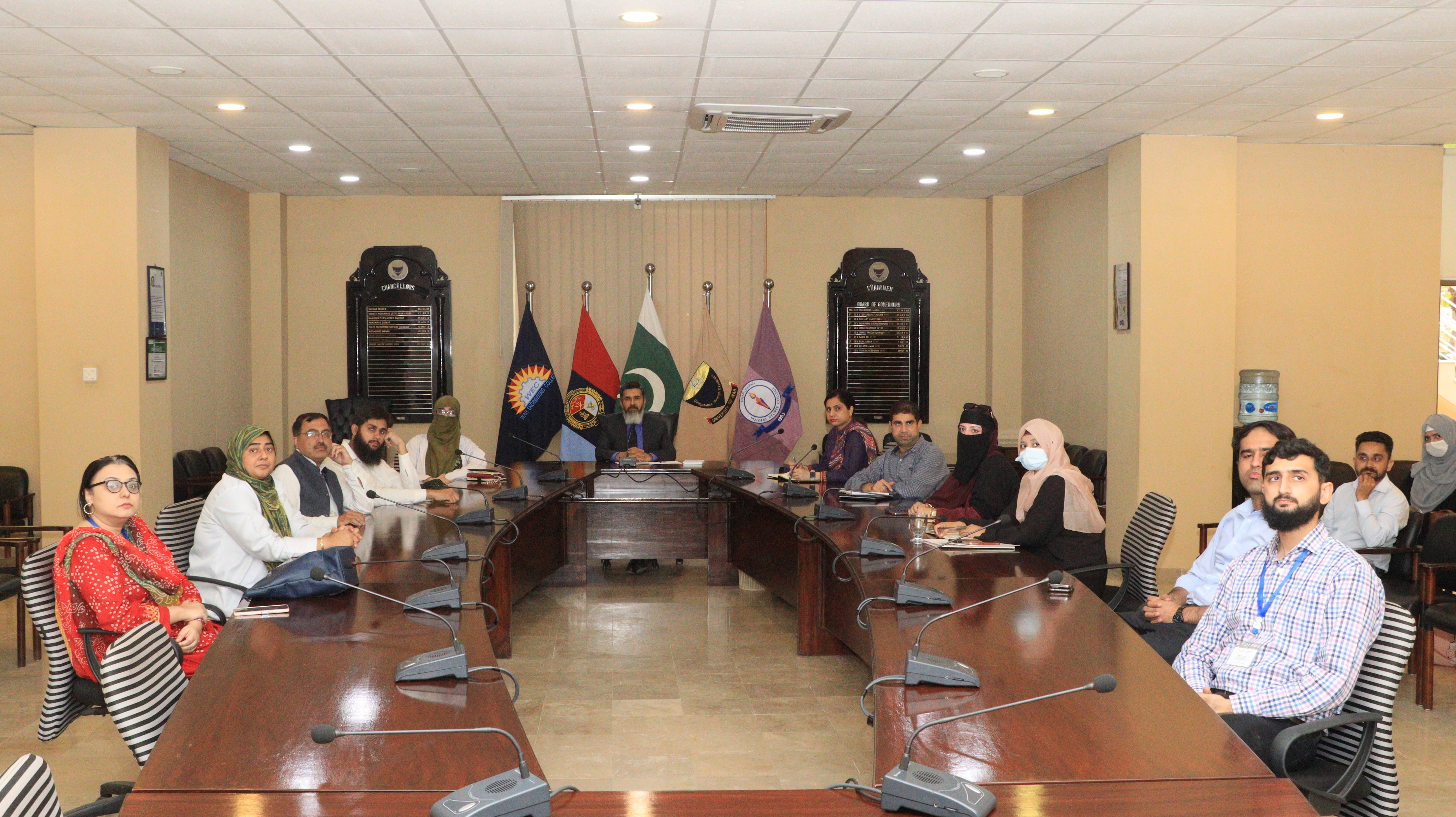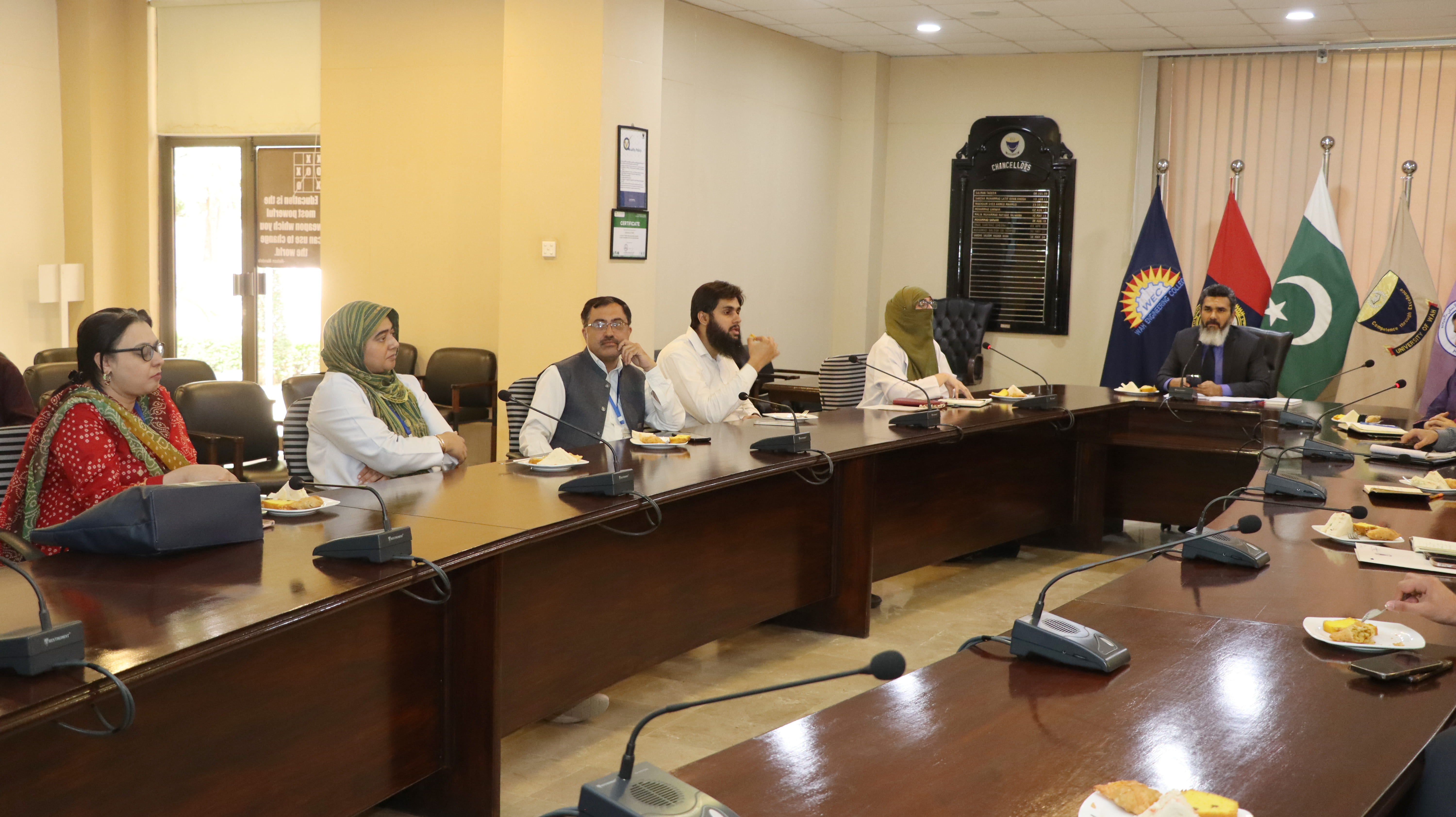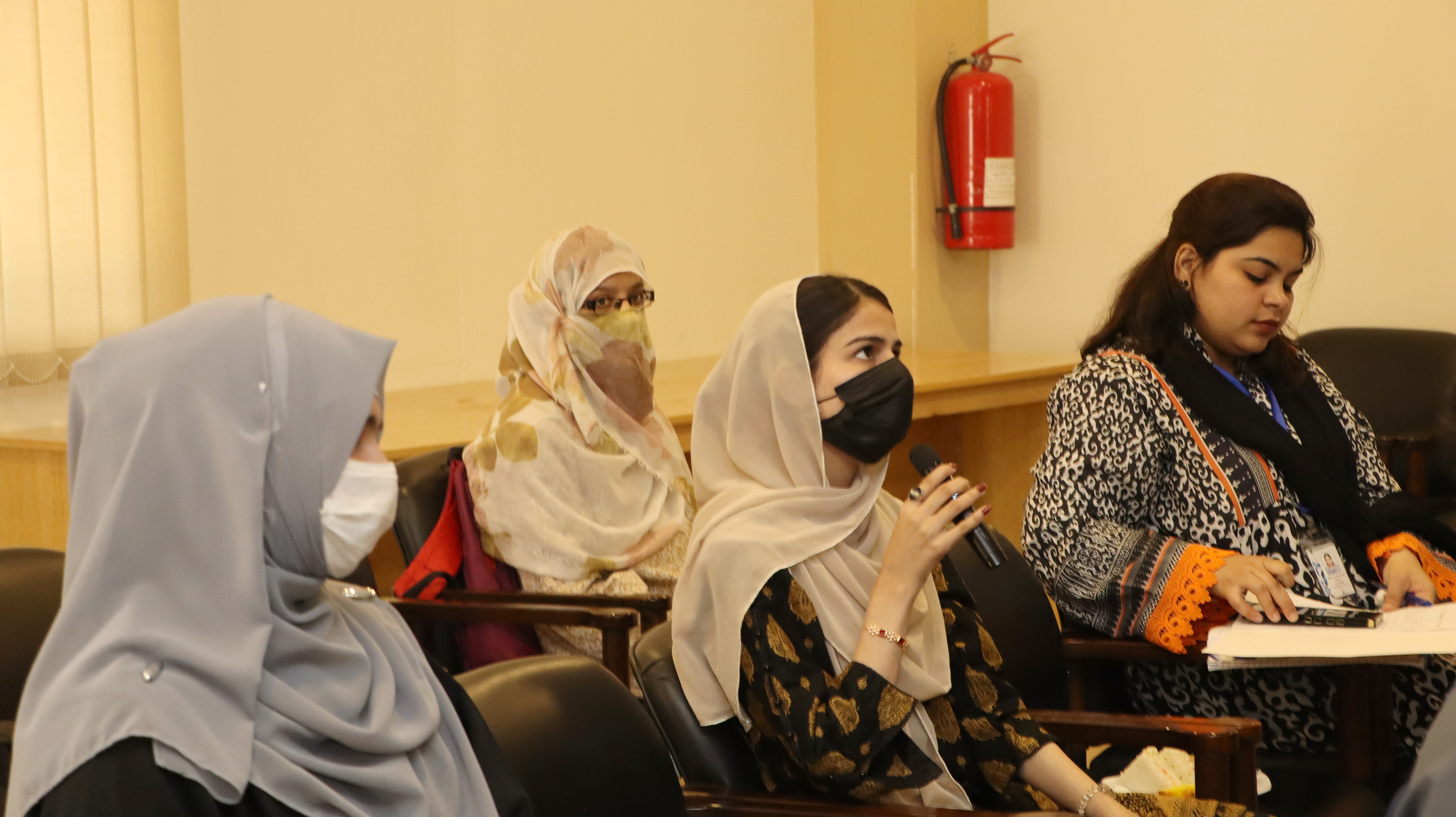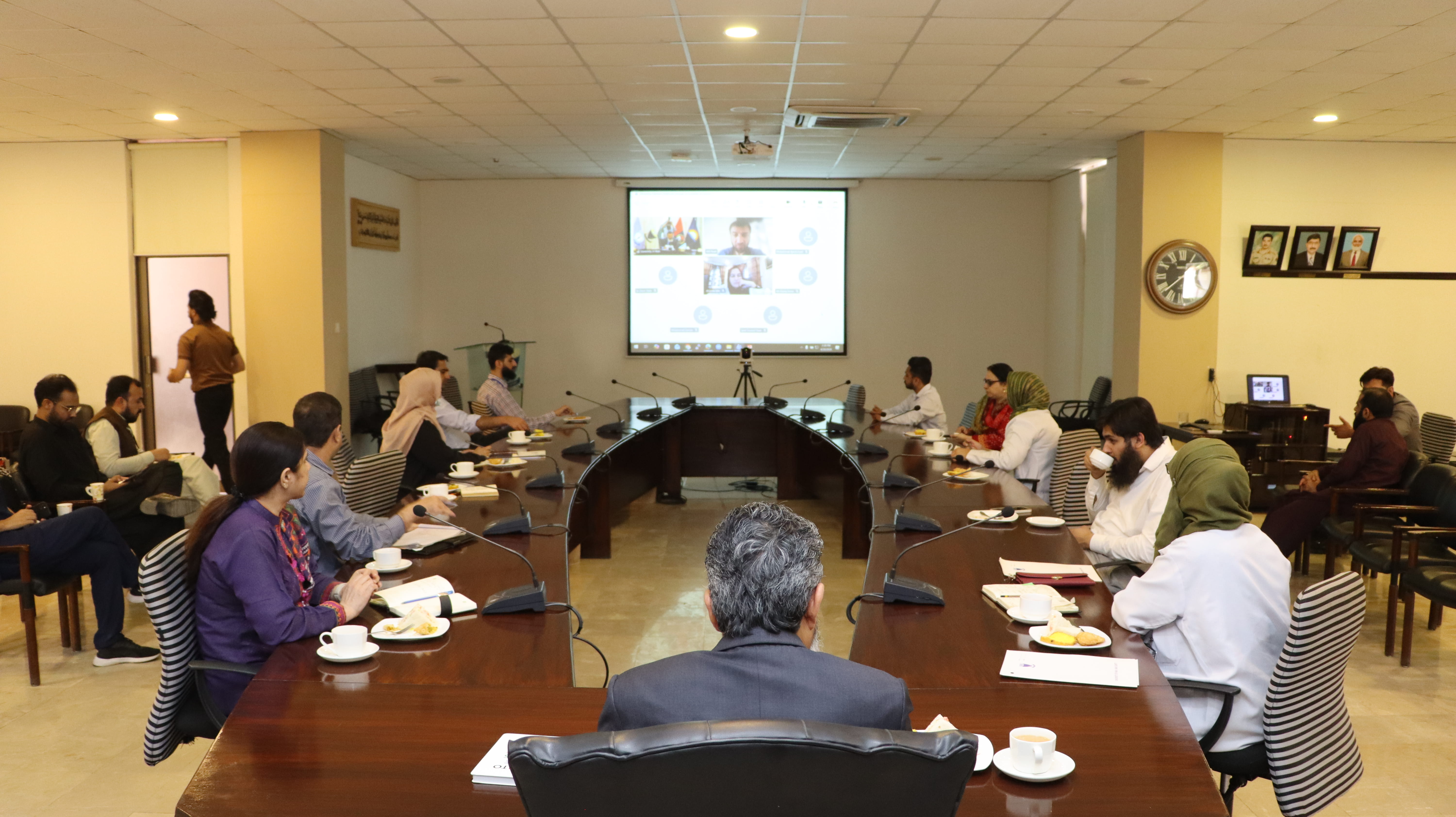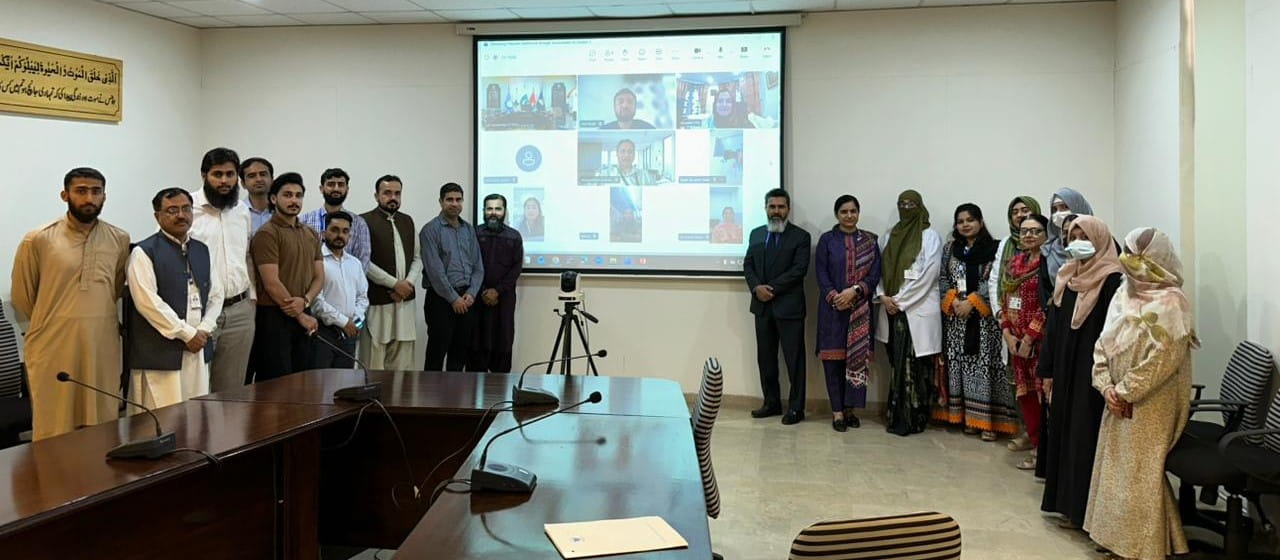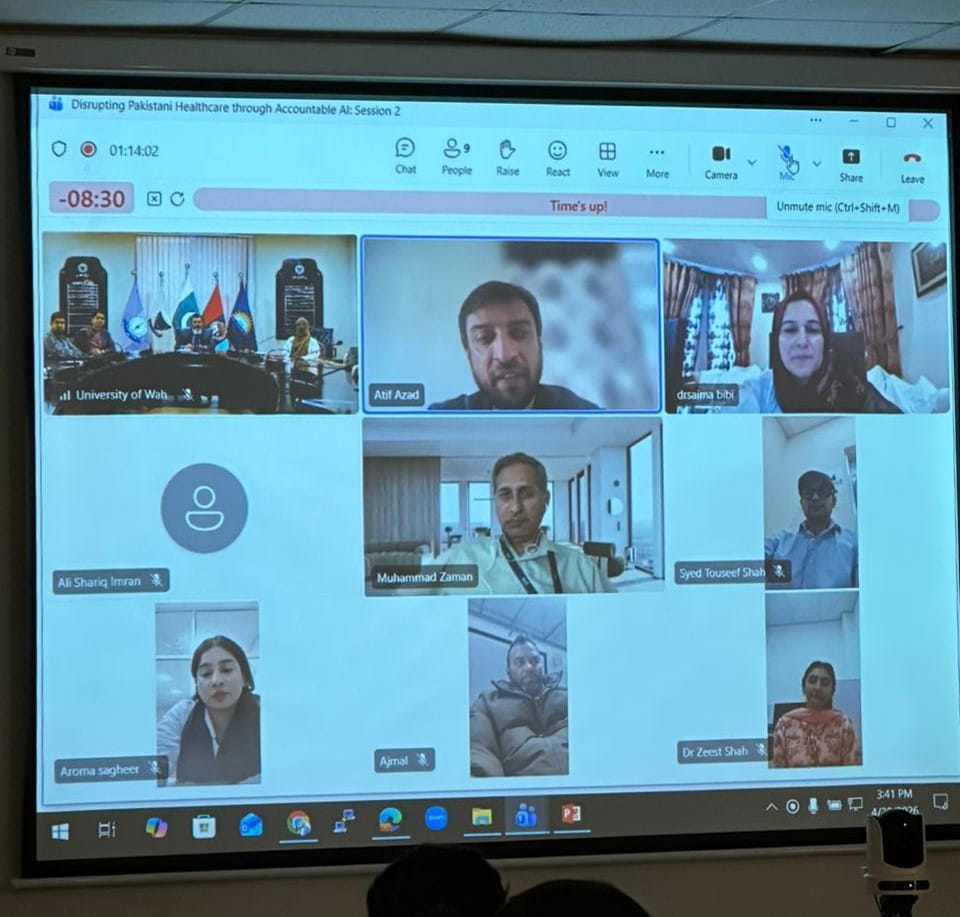
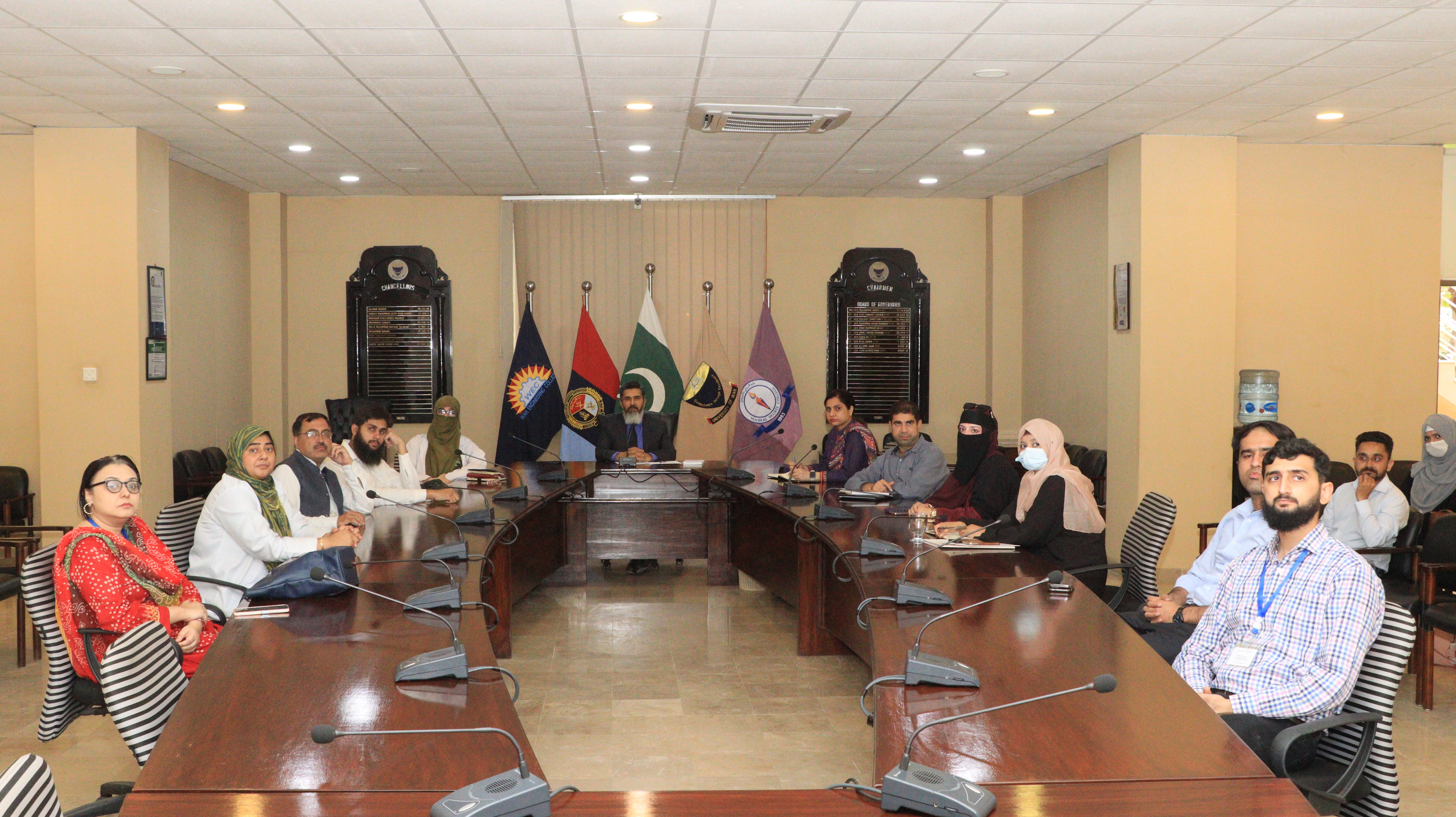
The Faculty of Social Sciences, University of Wah, organized a high-impact hybrid focused group workshop titled “Disrupting Pakistani Healthcare through Accountable AI: A Socially Grounded Intervention Framework” on 30 April 2026. The event brought together leading academics, healthcare practitioners, and AI experts to collaboratively address pressing challenges in Pakistan’s healthcare system through responsible and context-aware technological innovation.
A distinguished academic committee, including Prof. Dr. Muhammad Rizwan, Dean, Faculty of Social Sciences; Prof. Dr. Atif Azad of Birmingham City University( https://www.bcu.ac.uk/subject-areas/computing/staff/atif-azad); and Prof. Dr. Muhammad Zaman of Quaid-e-Azam University, strategically organized the workshop. The event was co-organized by Prof. Conor Ryan (Deputy Director of Lero) and Prof. Dr. Junaid Arshad. Moving beyond conventional conference formats, the workshop was designed as a structured intellectual intervention. Participants were encouraged to act as problem-solvers, working within real institutional and systemic constraints of Pakistan’s healthcare ecosystem, with a strong emphasis on practical and implementable solutions.
The program featured two specialized sessions that effectively bridged behavioral realities and technical innovation. The first session, “AI in Practice: Hidden Use, Real Behavior, Structural Gaps,” included valuable insights from domain experts such as Dr. Amanat Ali (HBS Medical and Dental College, Rawalpindi); Dr. Fahad Umer and Dr. Masood Umer (Aga Khan University); Mr. Muhammad Mustafa (Shifa International Hospital); and Dr. Sumera Gul (Wah Medical College). The session highlighted ground-level realities, hidden patterns of AI use, and structural limitations in healthcare delivery.
The second session, “From Ethics to Engineering: Designing Accountable AI Systems,” provided a technical deep dive into the design and implementation of responsible AI systems. Contributors from Ayub Medical College, including Dr. Saima Bibi, Dr. Arooma Sagheer, Dr. Syed Touseef Shah, and Dr. Zeest Shah, presented innovative frameworks for embedding accountability and ethics into AI solutions.
The workshop also included active participation from Wah Medical College representatives, Dr. Aniqa, Dr. Umaima, Dr. Yousuf, Dr. Sarmad, Dr. Rafay, Dr. Asad, and Mr. Haider, and from the University of Wah, Dr. Noman Aftab, Dr. Asma Arif, Dr. Jamil Ahmed Shaikh, Dr. Shuaib, Ms. Rafia, Ms. Rizwana, and Ms. Dimple.
A defining feature of the event was its unique “Engagement Model,” which required each speaker to propose a focused AI intervention tailored to operate within Pakistan’s existing healthcare constraints. This approach ensured that discussions remained grounded, practical, and directly relevant to national needs, rather than promoting unconstrained technological expansion. By bringing together local healthcare workers and international experts from institutions such as Birmingham City University and Lero, the workshop effectively identified practical ways to use accountable AI in healthcare.
The event concluded with a forward-looking synthesis by the organizing committee, outlining a strategic roadmap for integrating socially grounded digital health solutions across Pakistan. This initiative takes an important step toward aligning technological innovation with ethical responsibility and real-world applicability in the national healthcare landscape.