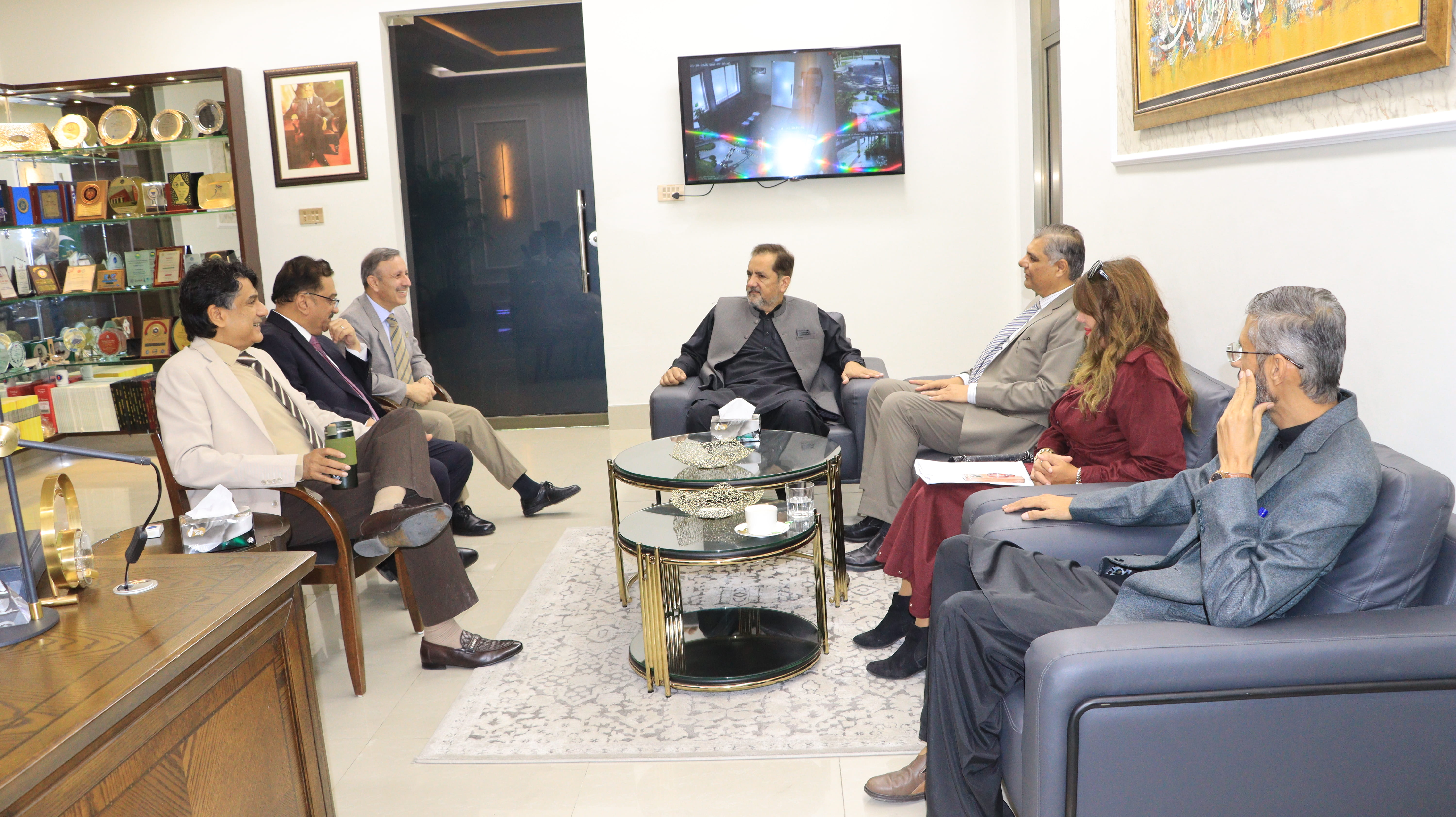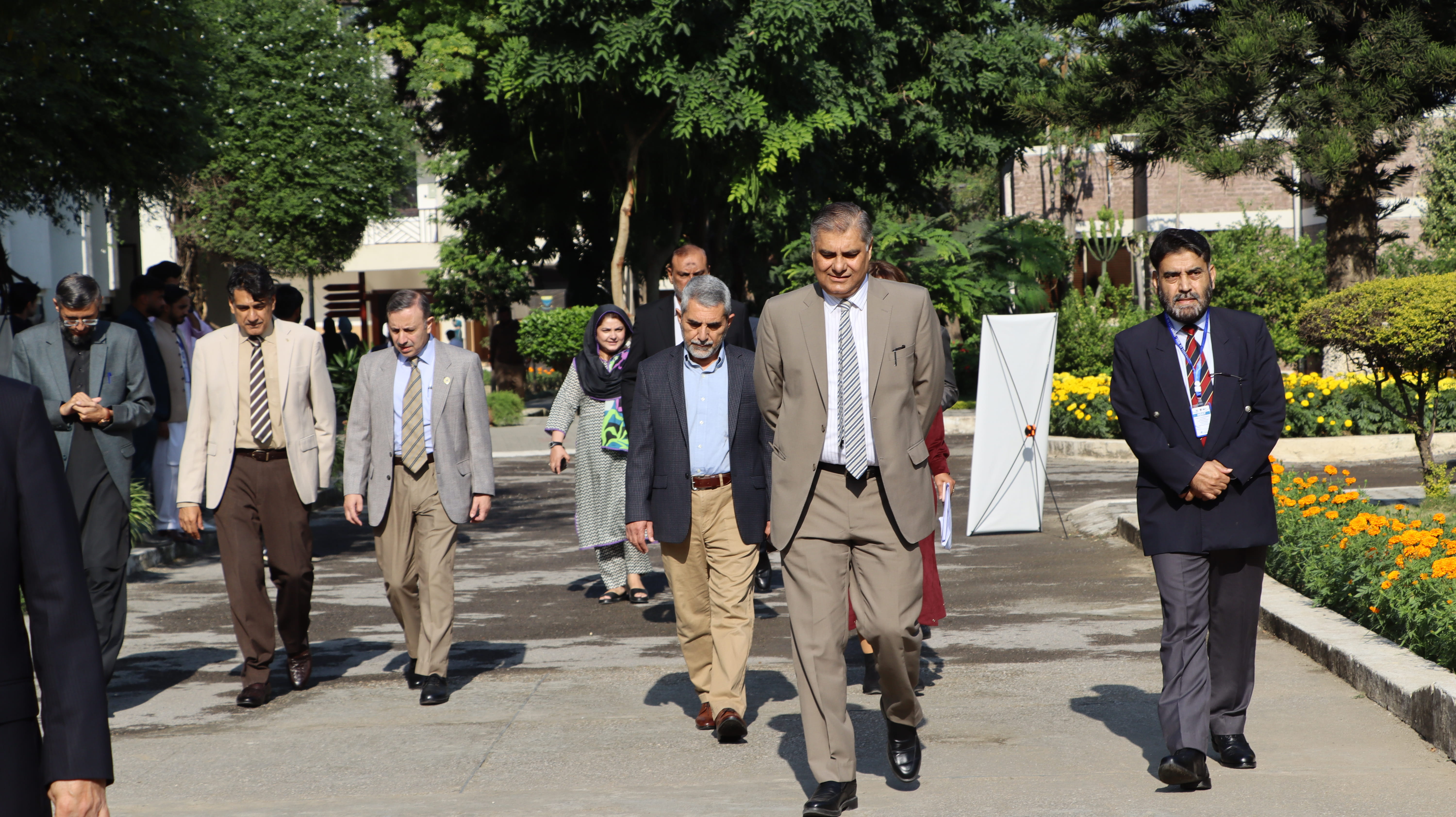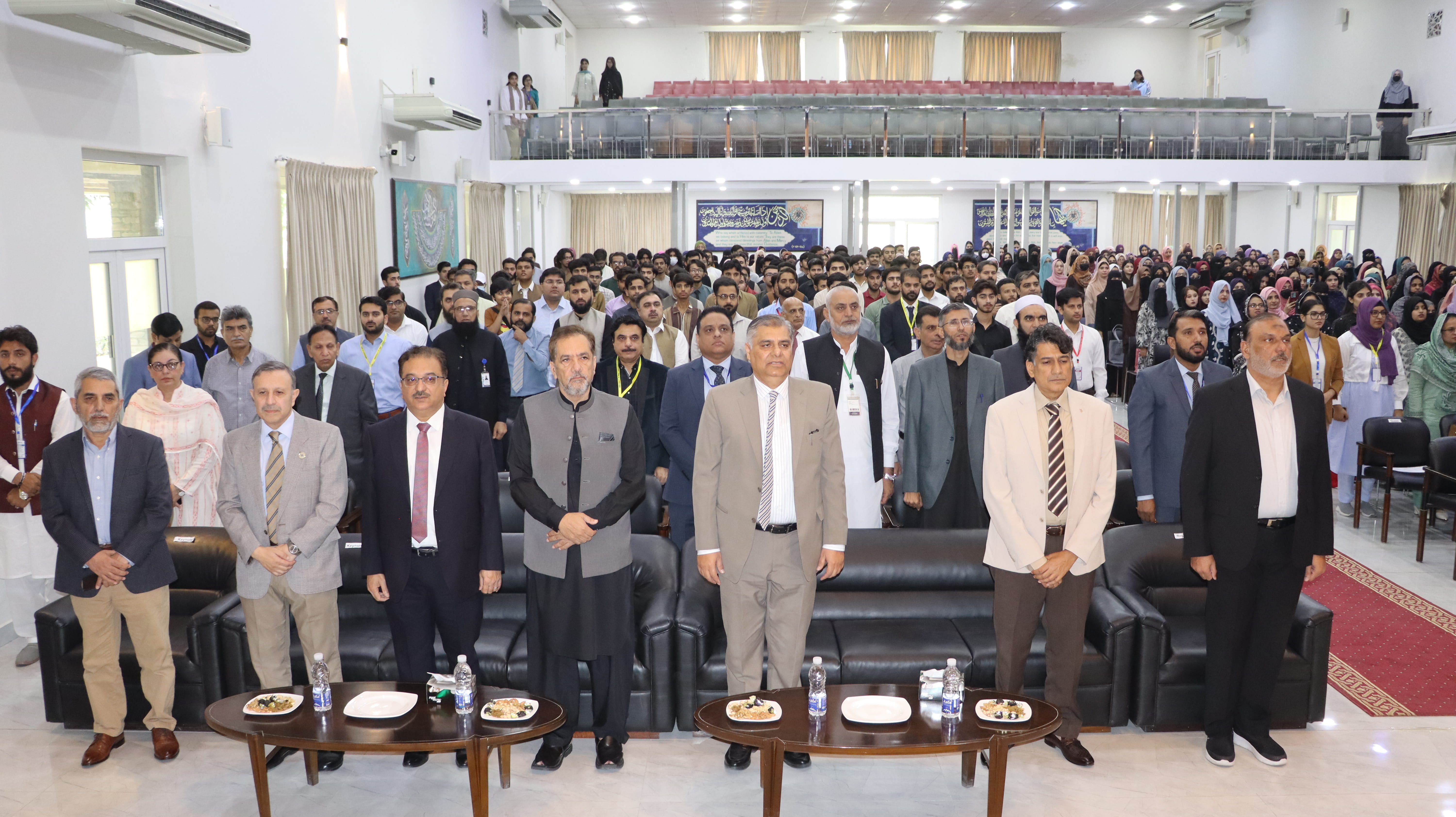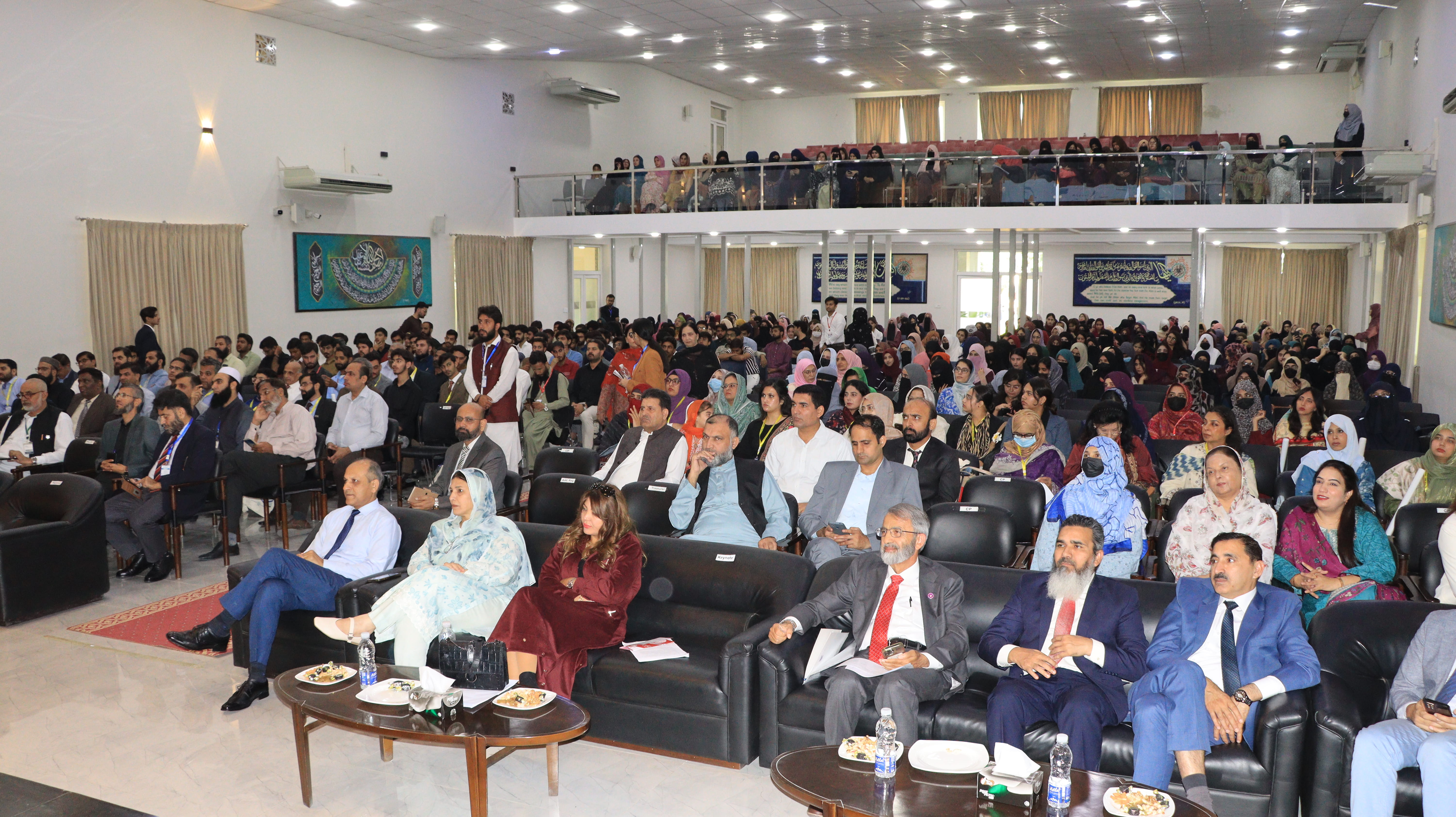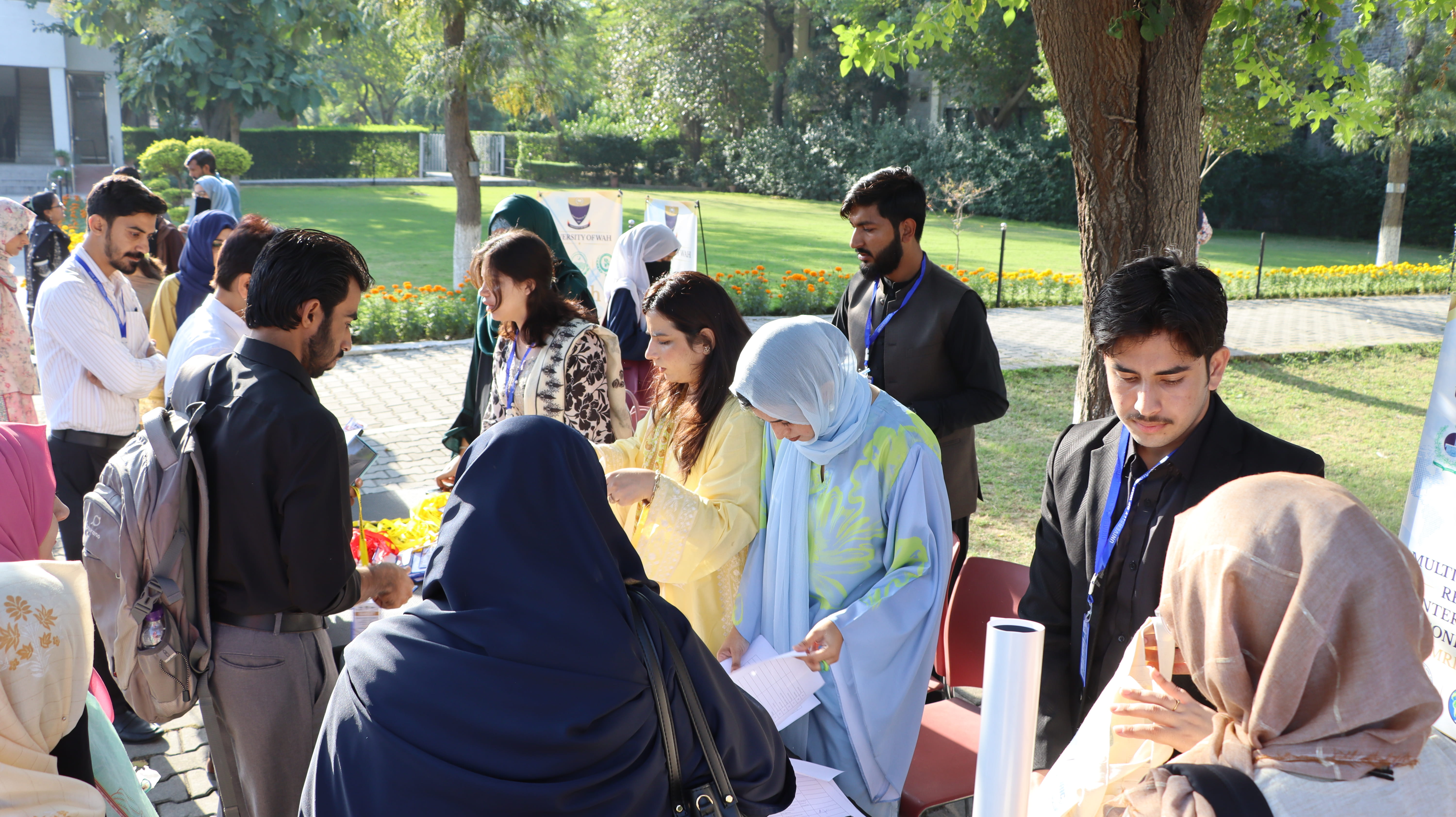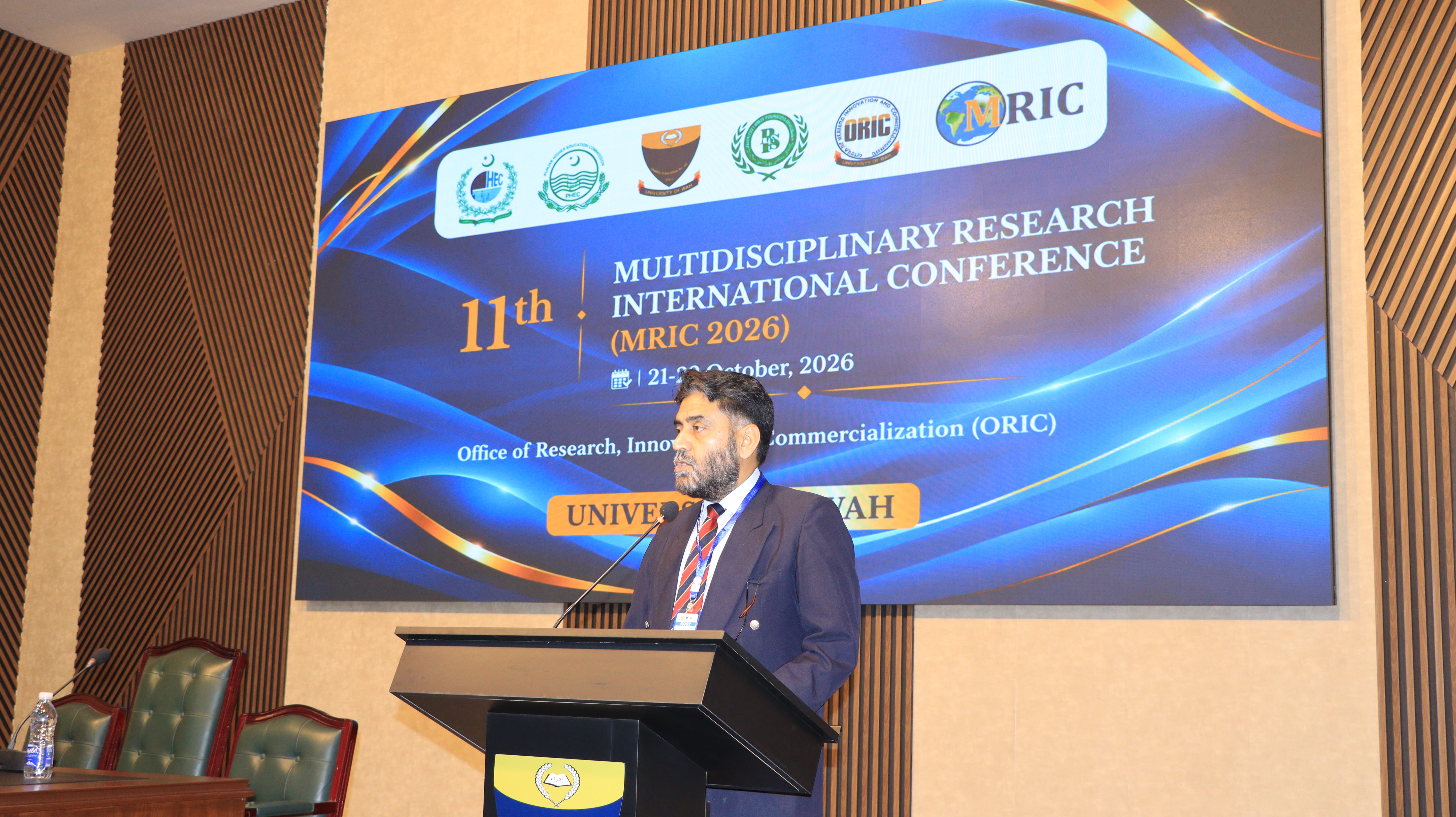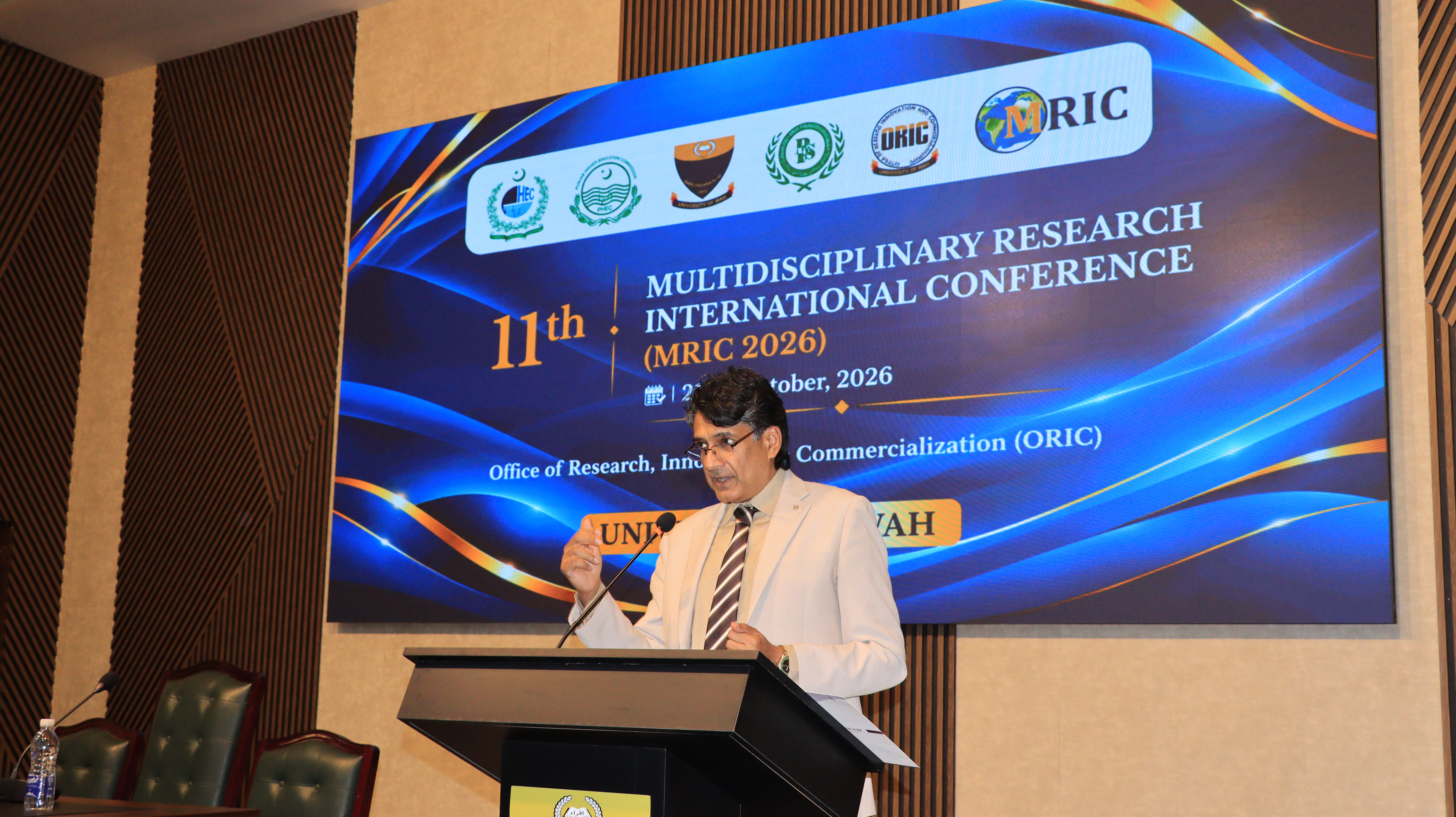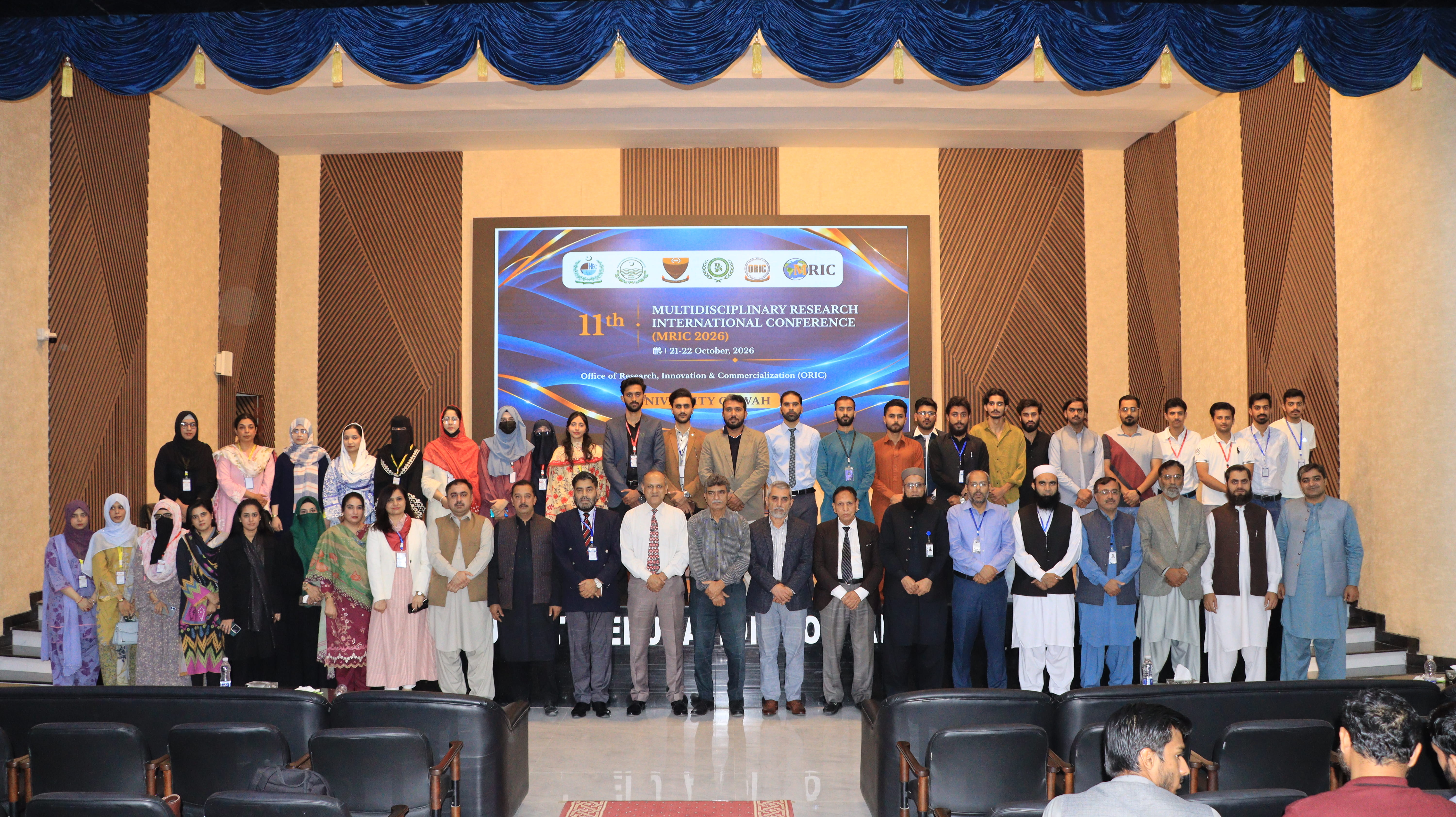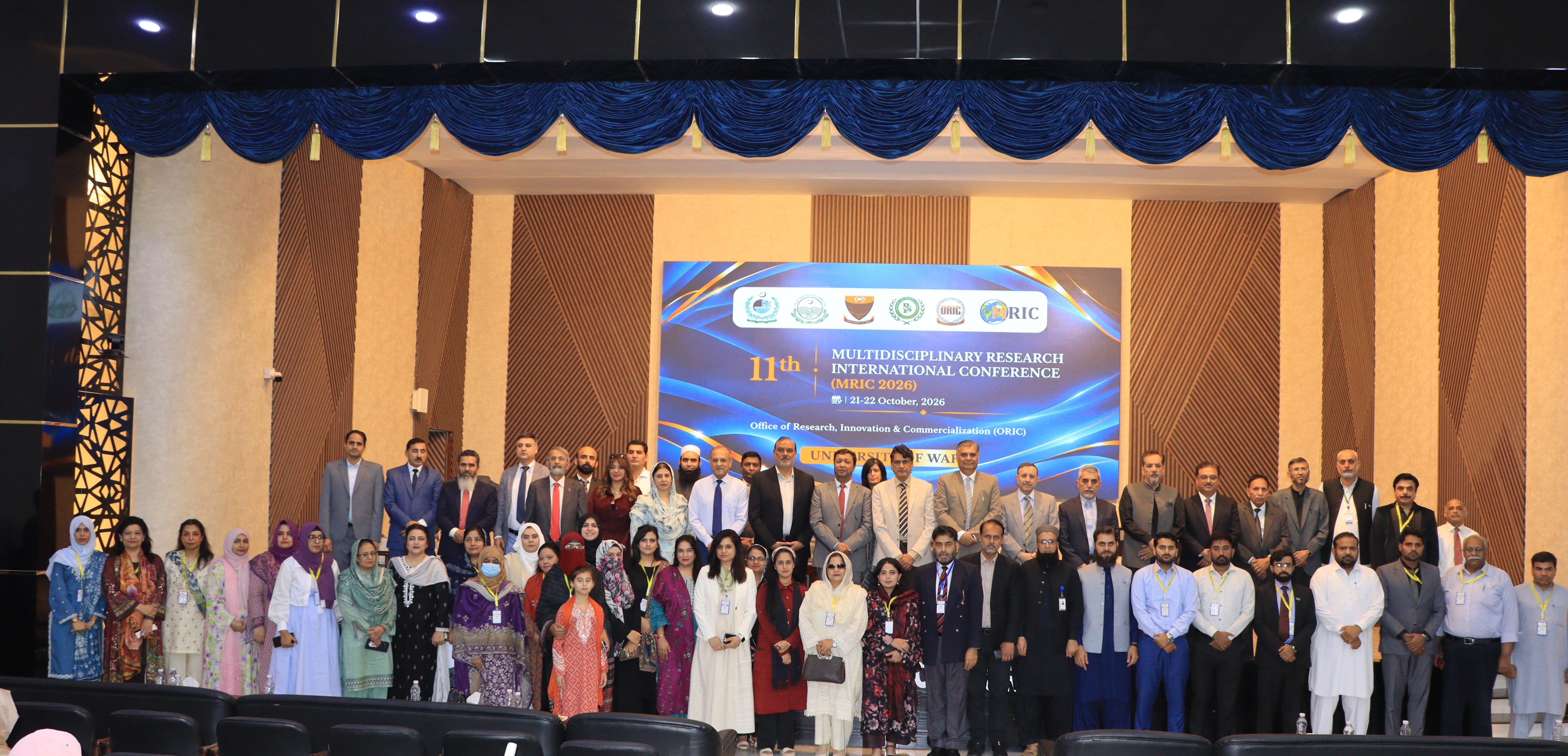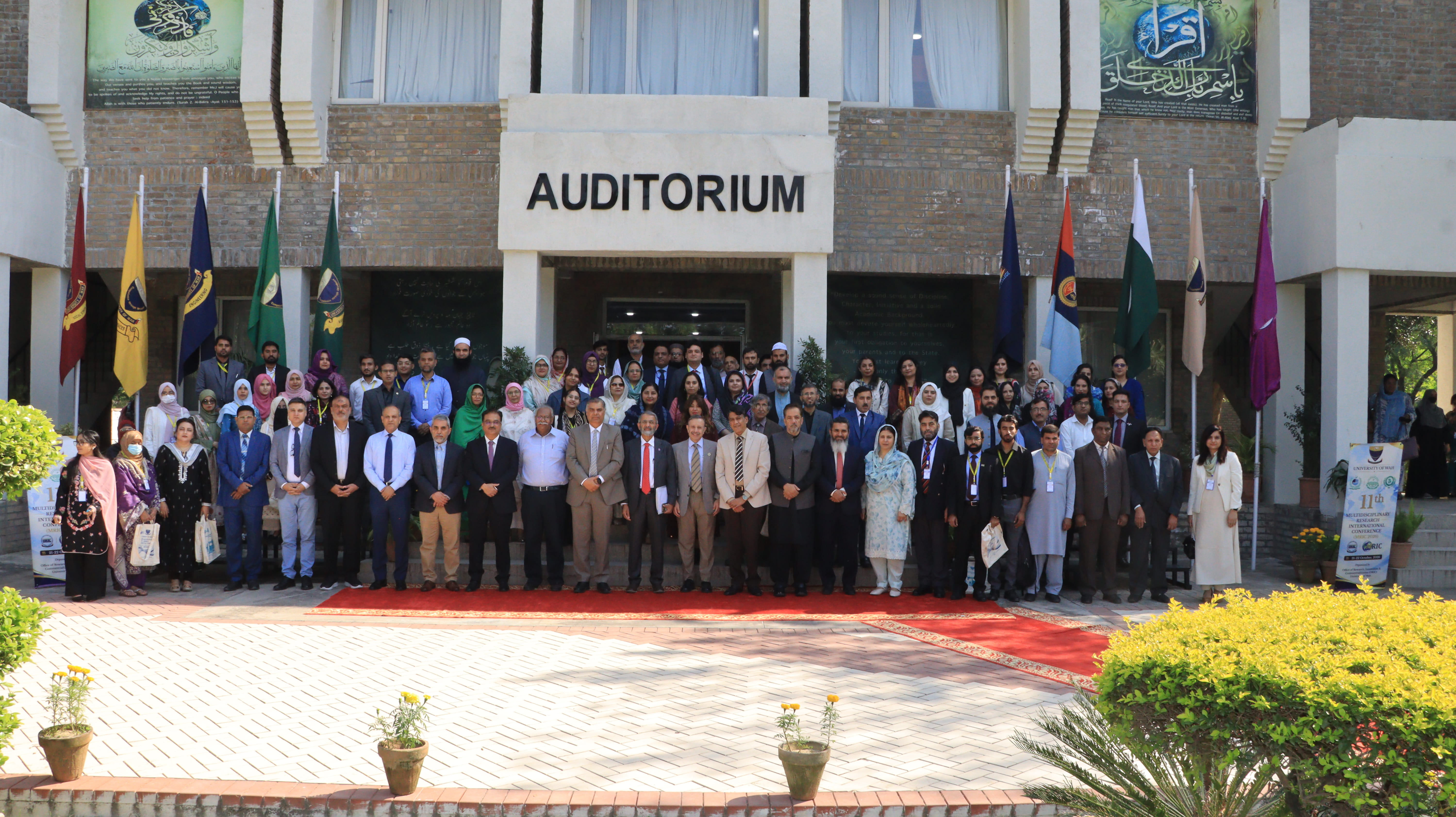
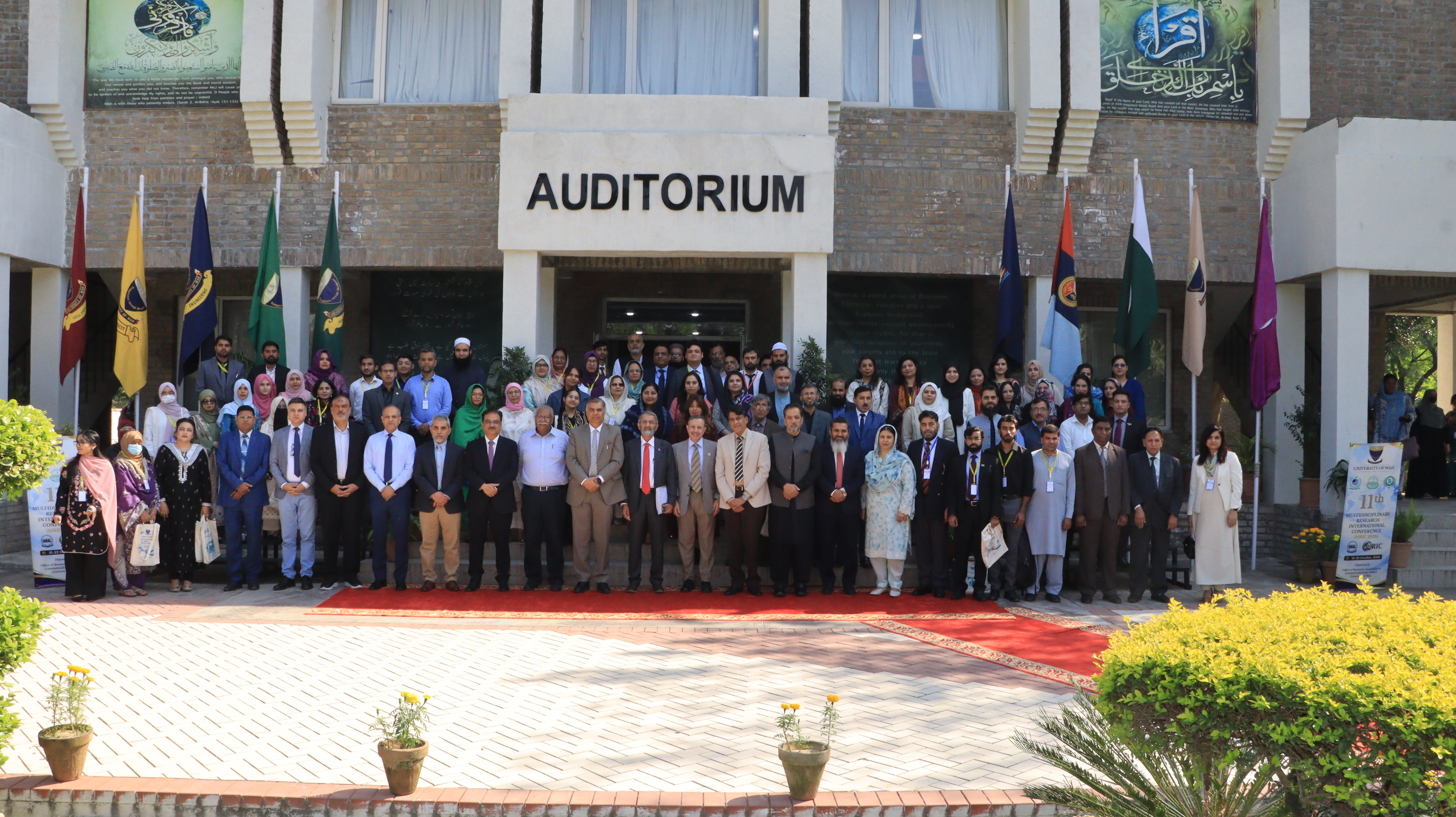
University of Wah (UW), through its Office of Research, Innovation and Commercialization (ORIC), organized the 11th Multidisciplinary Research International Conference (MRIC-2026) on 21-22 October 2026, under the theme “Bridging Minds, Creating Impact: Interdisciplinary Research for a Sustainable World.” The conference received 303 abstracts, including 112 from outside the UW, bringing together national and international researchers for academic exchange and interdisciplinary collaboration.
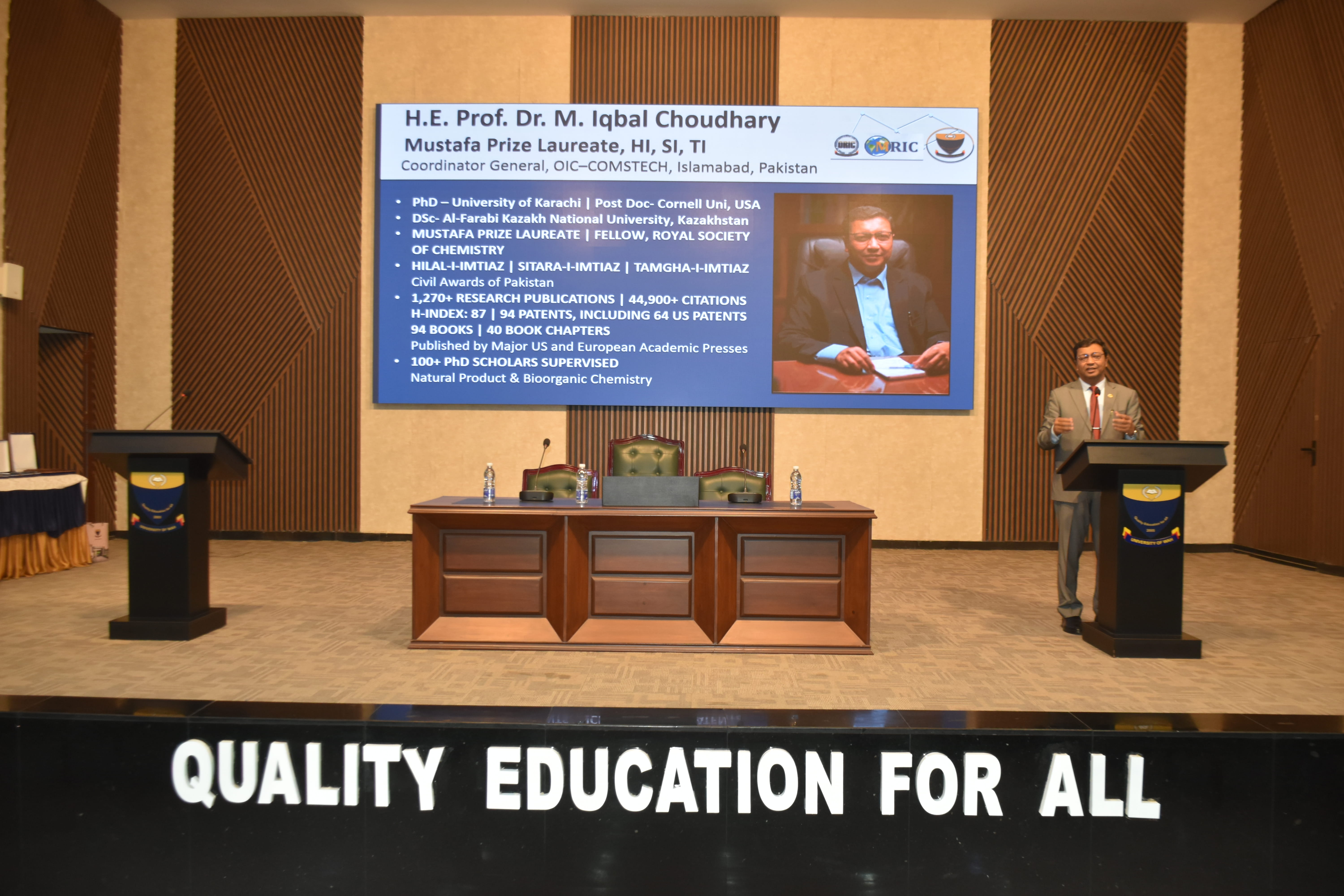
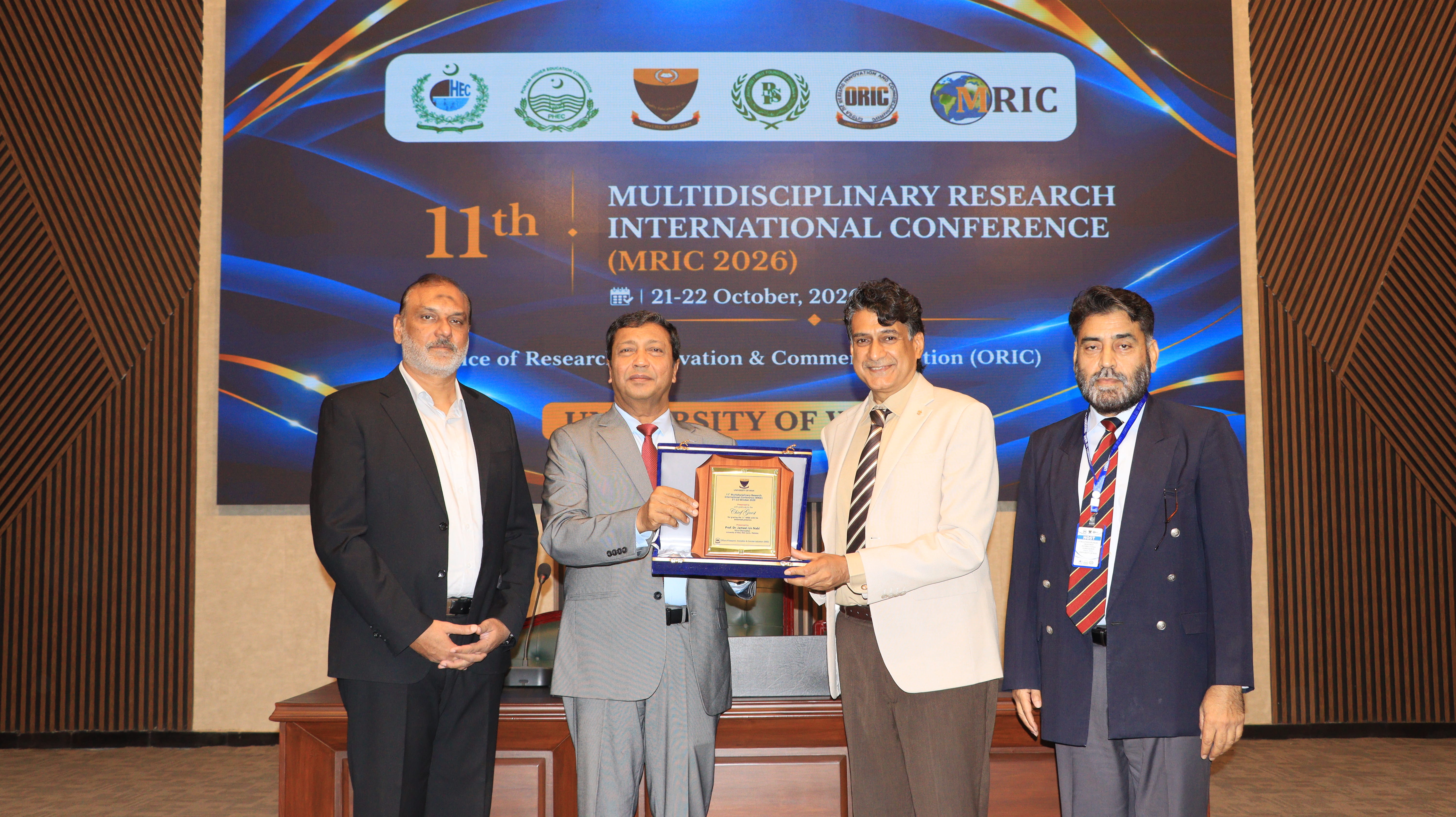
The opening session commenced with remarks by Prof. Dr. Amjad Hassan, Director, ORIC and Conference Chair, followed by a welcome address by Prof. Dr. Jameel-Un Nabi, Vice Chancellor, University of Wah, and Patron-in-Chief of the conference. H.E. Prof. Dr. Muhammad Iqbal Choudhary (Mustafa Prize Laureate, HI, SI, TI), Coordinator General, OIC-COMSTECH, Islamabad, attended as the Chief Guest. Addressing the conference, he emphasized that global challenges require interdisciplinary approaches, highlighting the importance of innovation, indigenous research, and sustainable development. He encouraged young researchers to pursue original, socially relevant research and reaffirmed OIC-COMSTECH’s support for academic collaboration.
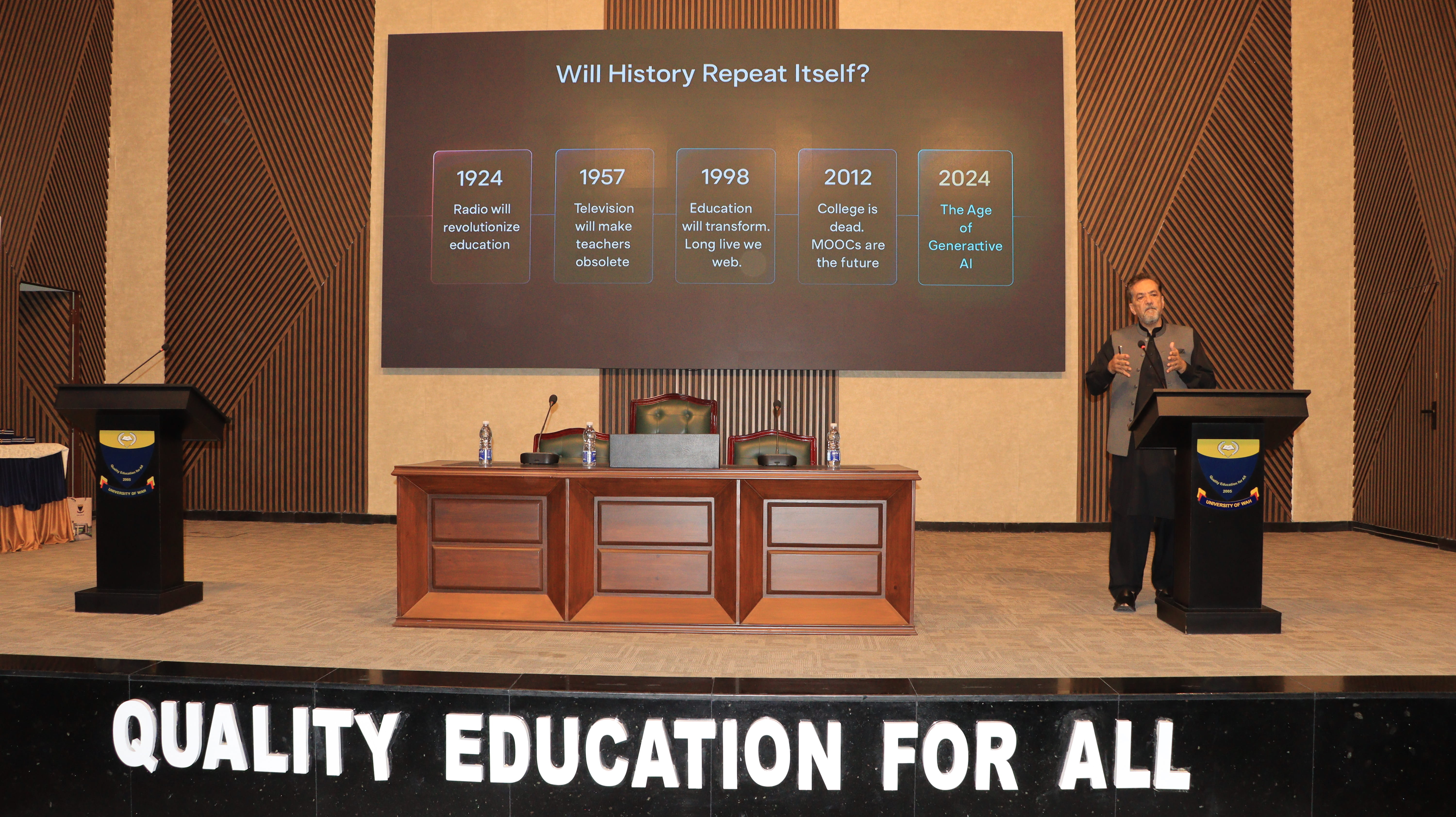
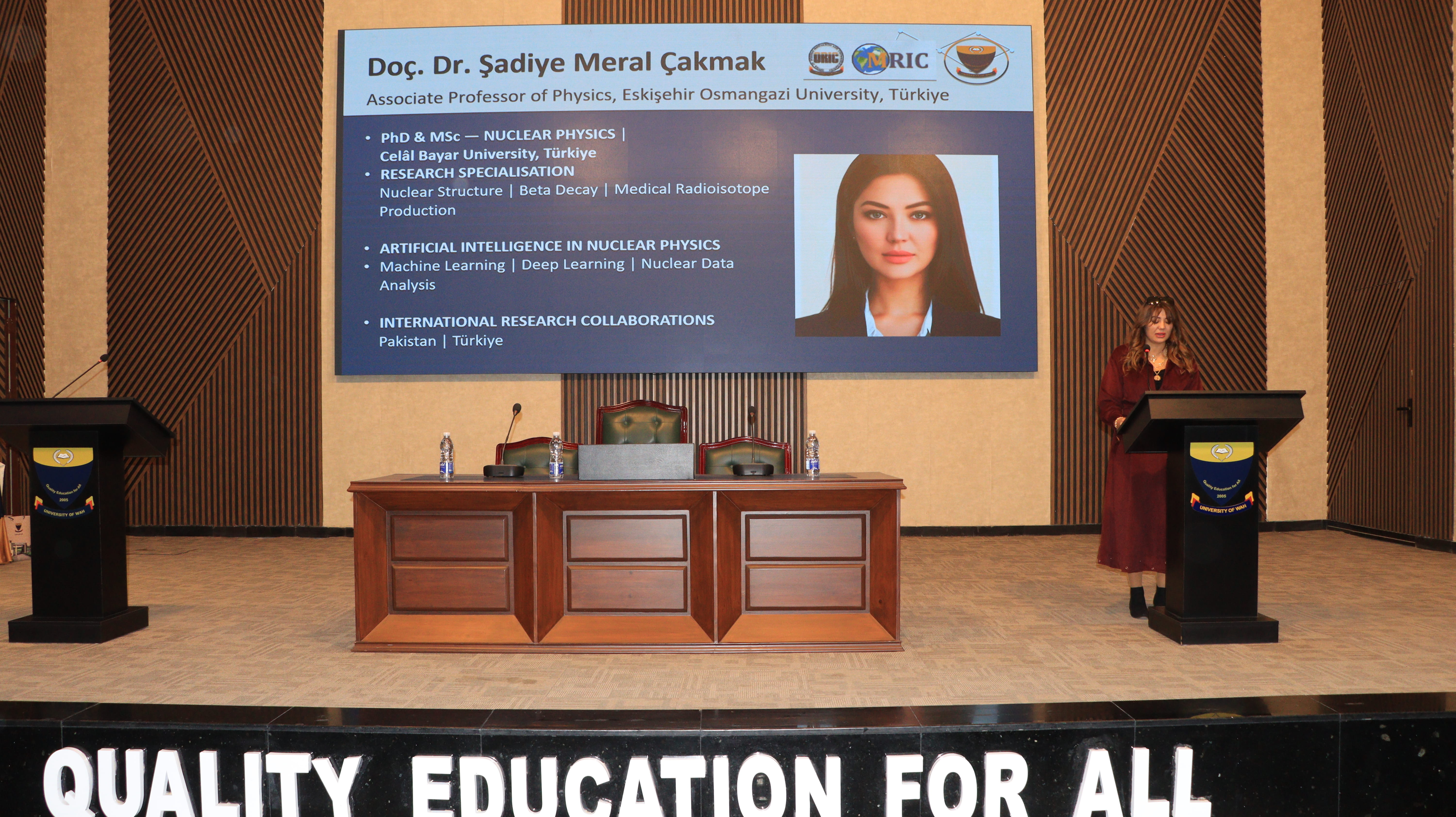
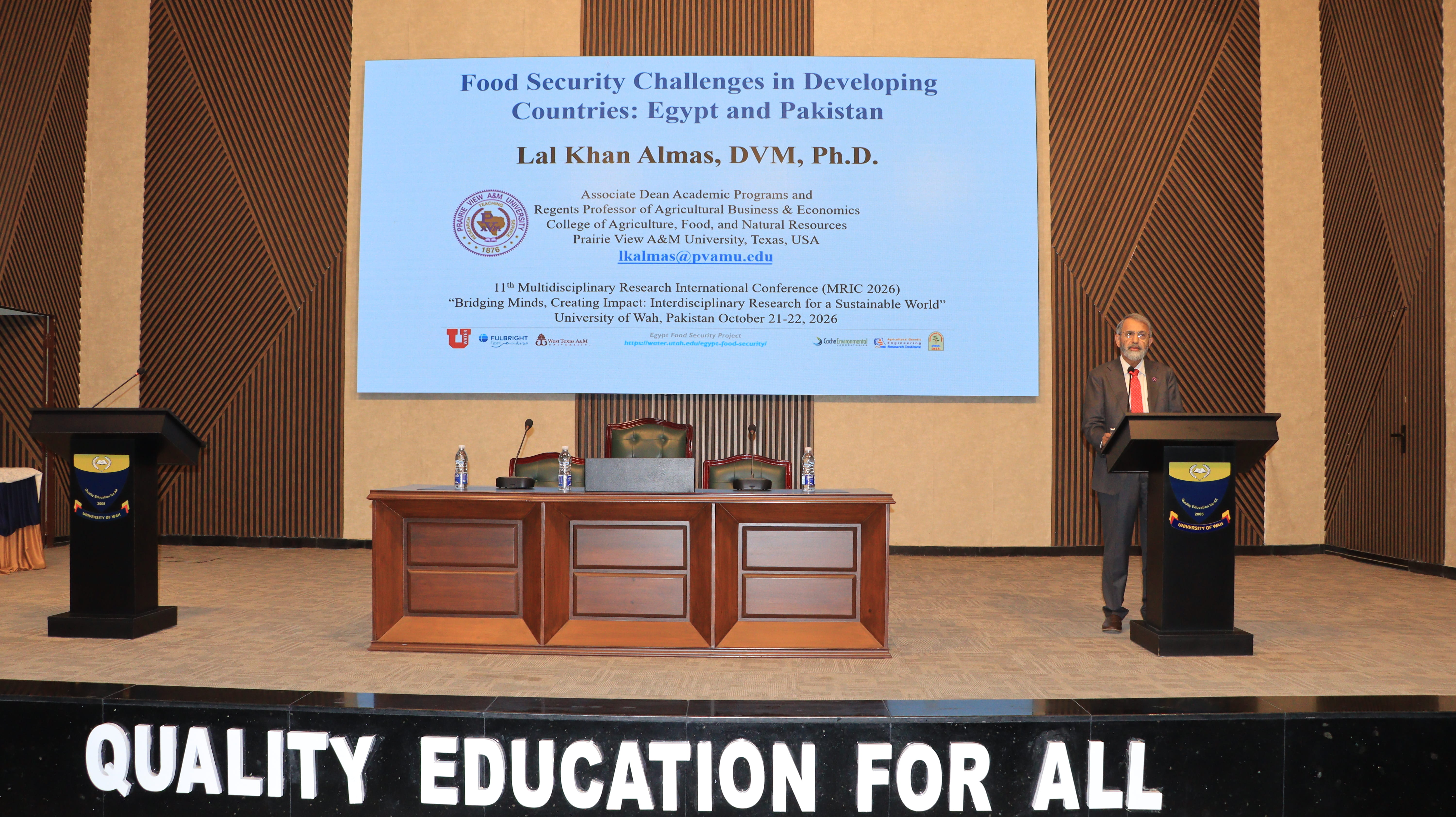
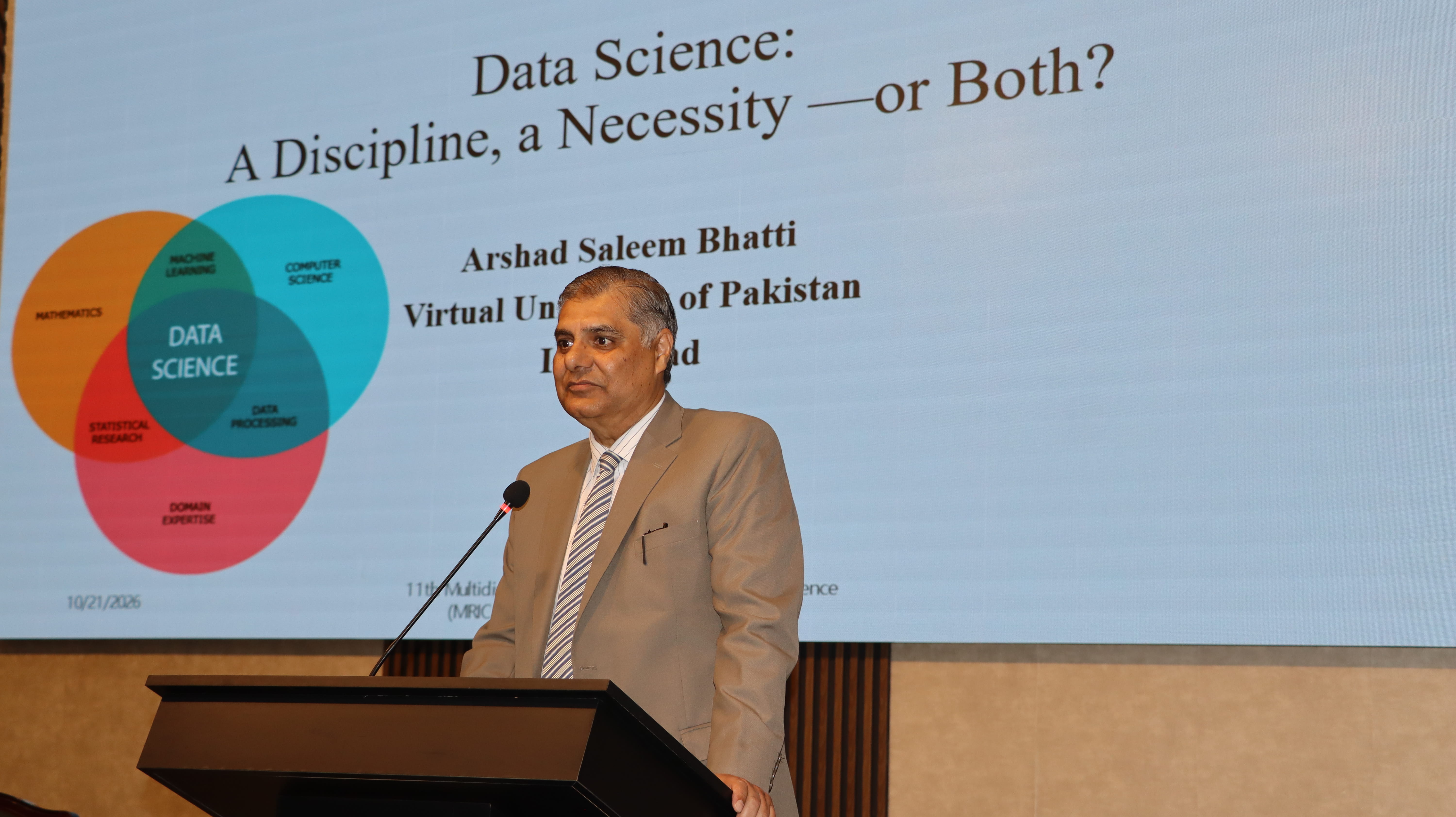
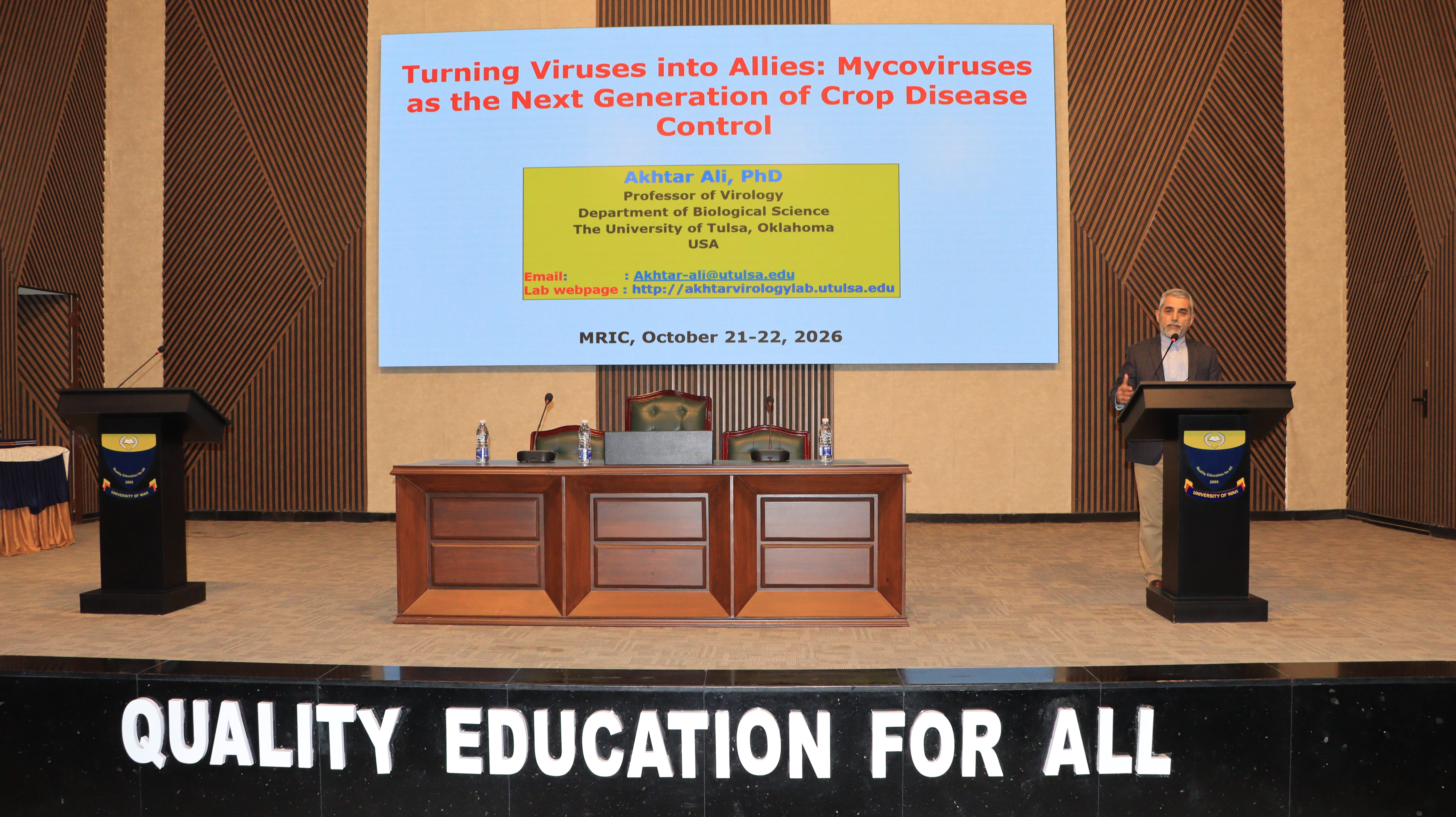
The conference featured keynote addresses by distinguished national and international academics. On-site speakers included Prof. Dr. Arshad Saleem Bhatti (SI, TI), Rector, Virtual University, Islamabad; Prof. Dr. Tahir Irfan Khan, Vice Chancellor, Abbottabad University of Science and Technology; Prof. Dr. Akhtar Ali, The University of Tulsa, USA; Prof. Dr. M. Junaid Mughal (TI), COMSATS University Islamabad, Wah Campus; Prof. Dr. Sajjad Ahmad Madni, COMSATS University Islamabad; Dr. Sadiye Meral Çakmak, Eskişehir Osmangazi University, Türkiye; and Prof. Dr. Lal Khan Almas, Prairie View A&M University, USA.
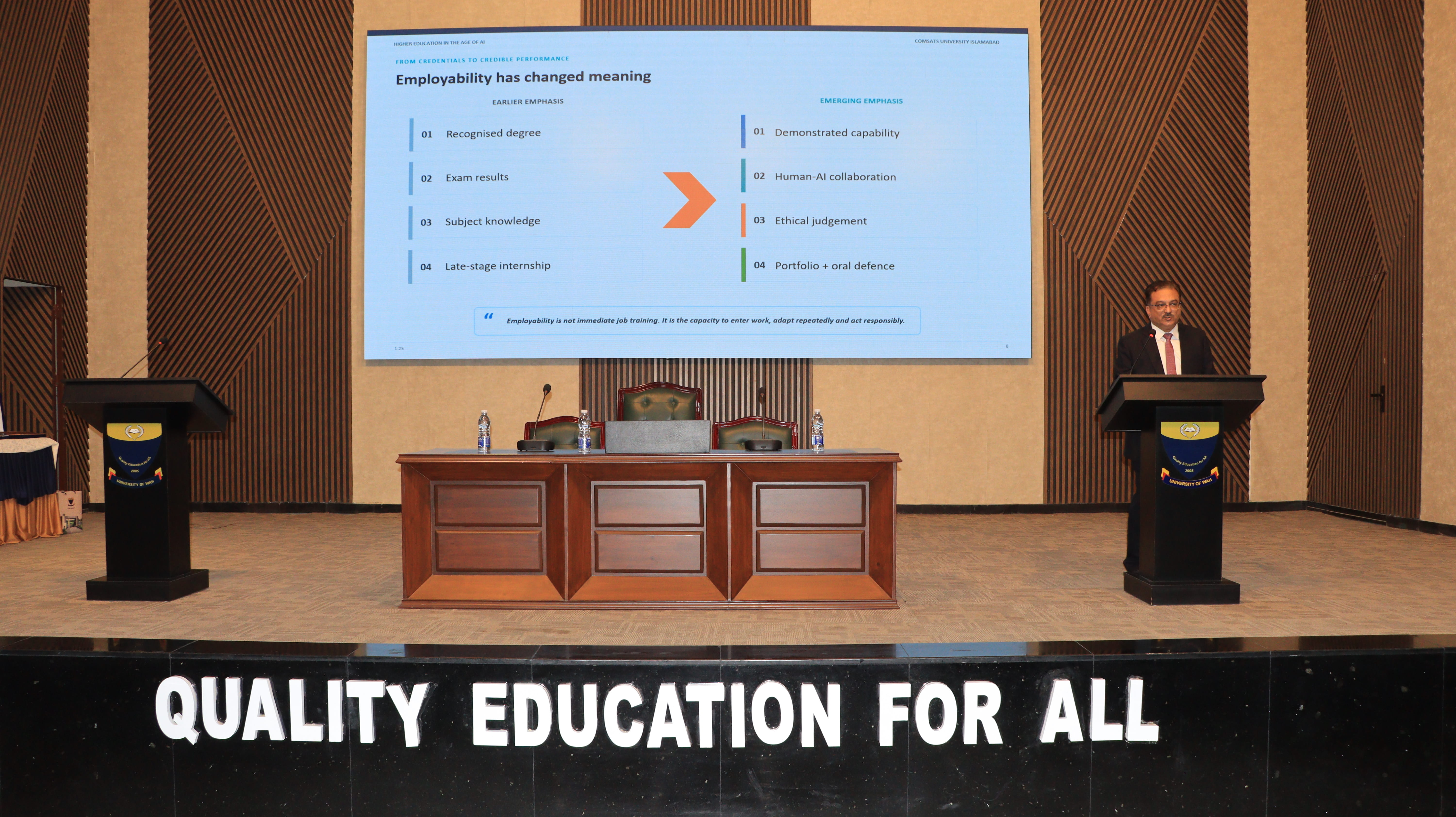
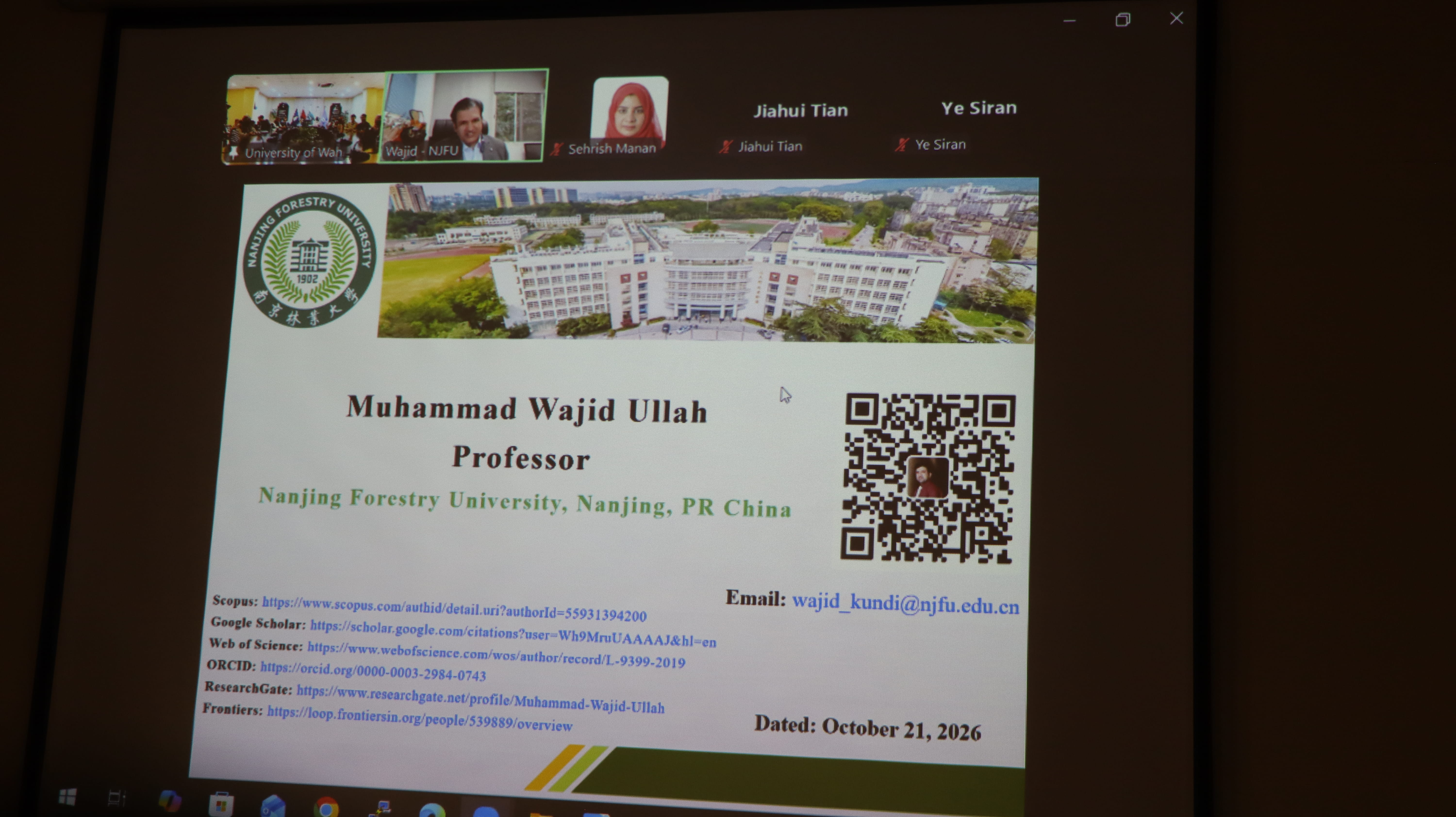
Their presentations addressed diverse research areas, including crop disease control, food security, higher education in the age of artificial intelligence, semiconductor nanostructures, and the ethical implications of generative AI. International online keynote speakers included Prof. Dr. Muhammad Wajid Ullah and Prof. Dr. Yimin Fan of Nanjing Forestry University, China; Prof. Dr. Cao Zhihong of the University of Chinese Academy of Sciences, China; Dr. Sehrish Manan of Nanjing Forestry University; Dr. Saud uz Zafar; Dr. M. Sultan Irshad; Prof. Dr. Wan Li of Hubei University, China; Dr. Wajid Ali of the University of Bologna, Italy; Dr. Anum Javed of Northumbria University, UK; and Dr. Abdul Wahab of Sultan Qaboos University, Oman. Their talks explored topics such as sustainable materials, food preservation, water-energy solutions, nanotechnology, economic inequality, climate resilience, and cancer research.
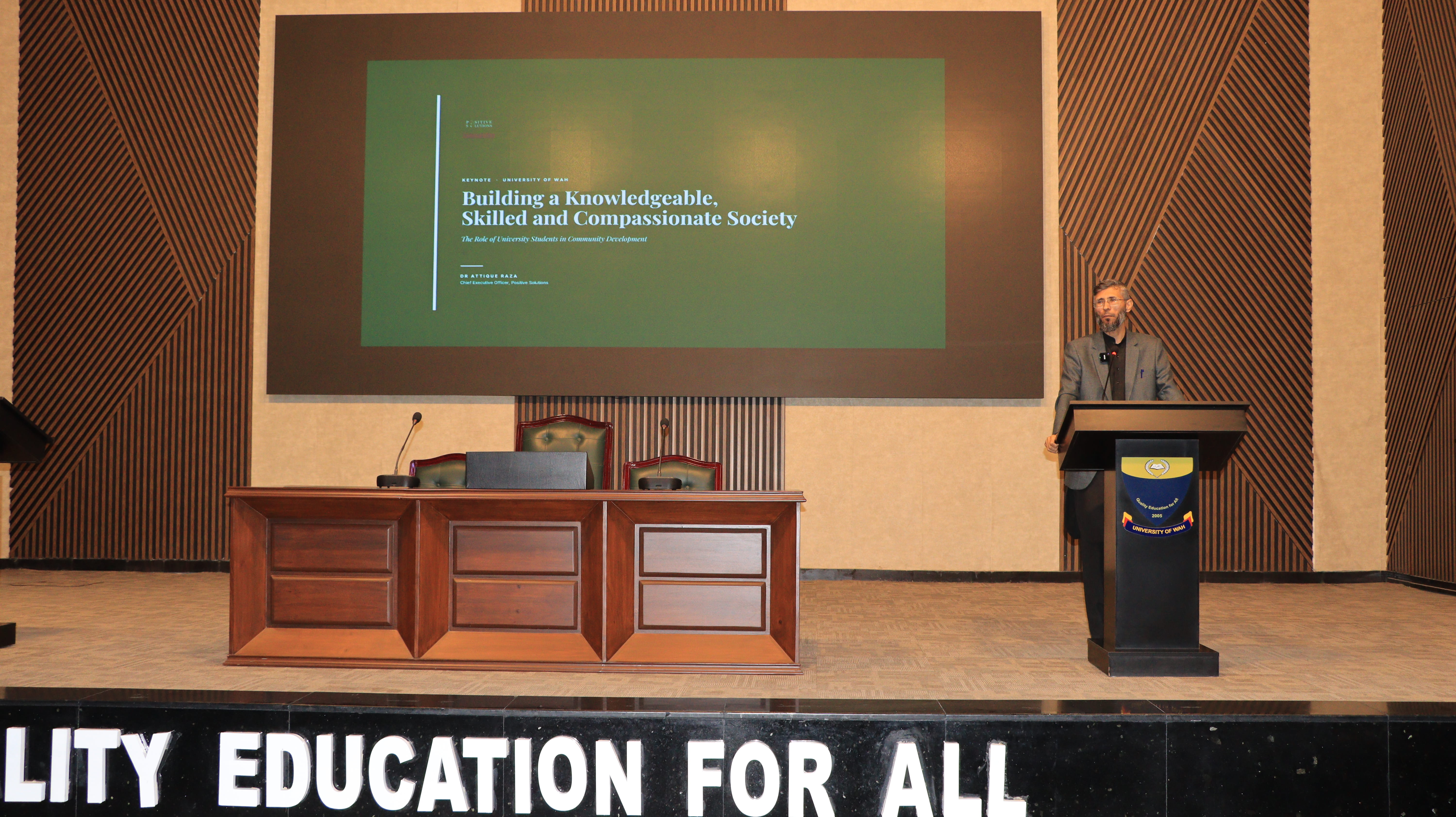
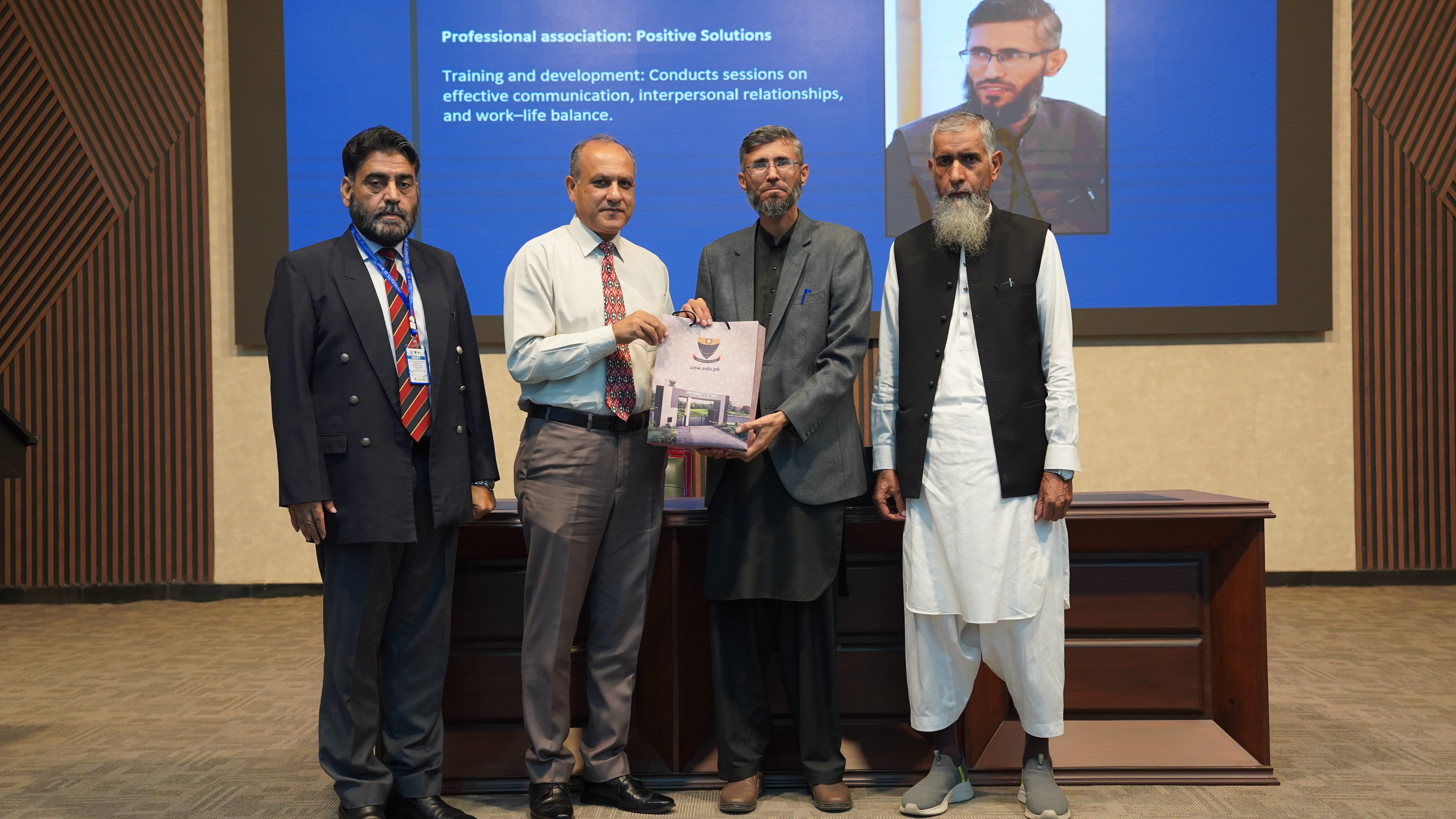
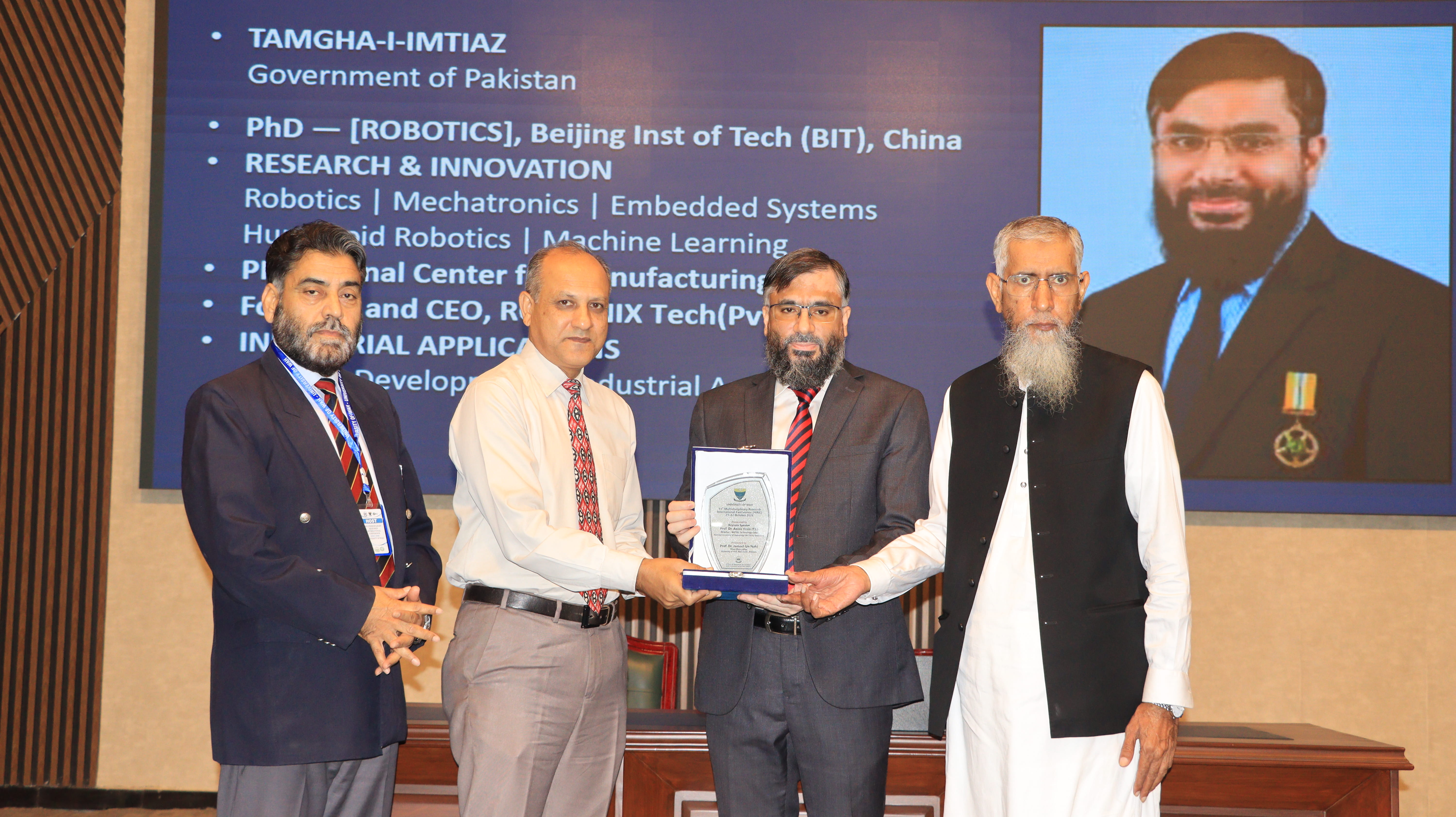
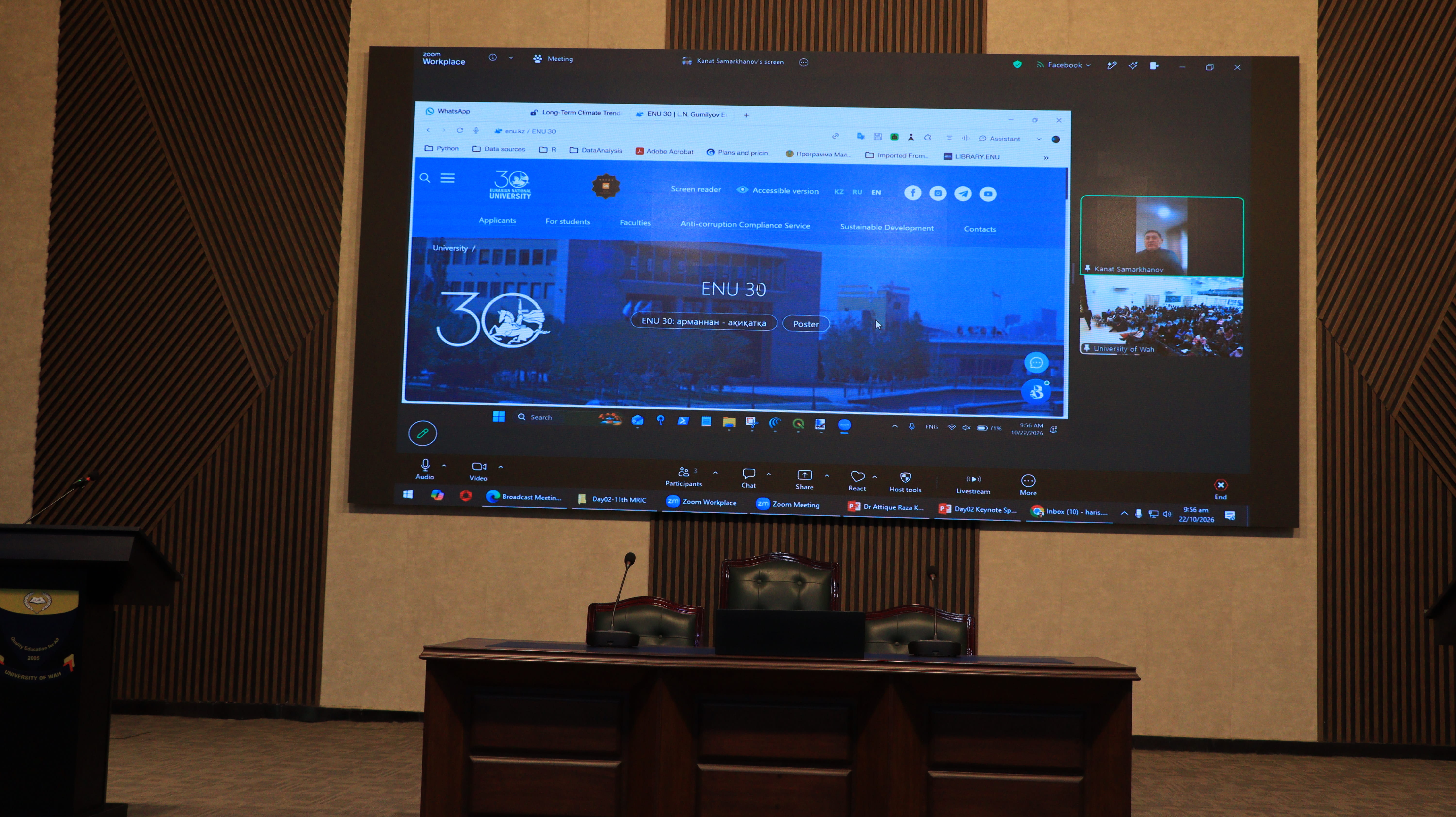
On the second day, keynote addresses were delivered by Prof. Dr. Awais Yasin (TI), National University of Technology, Islamabad; Dr. Kanat Samarkhanov, Eurasian National University, Kazakhstan; Prof. Dr. Syed Mujtaba ul Hassan, SUNUM, Sabanci University, Türkiye. Their presentations focused on artificial intelligence for manufacturing quality control and export enhancement, geospatial intelligence for climate resilience, and photothermal materials for cancer treatment. Dr. Attique Raza, CEO of Positive Solutions, also joined the conference as a keynote speaker, sharing professional insights on innovation, technology, and industry-oriented solutions.
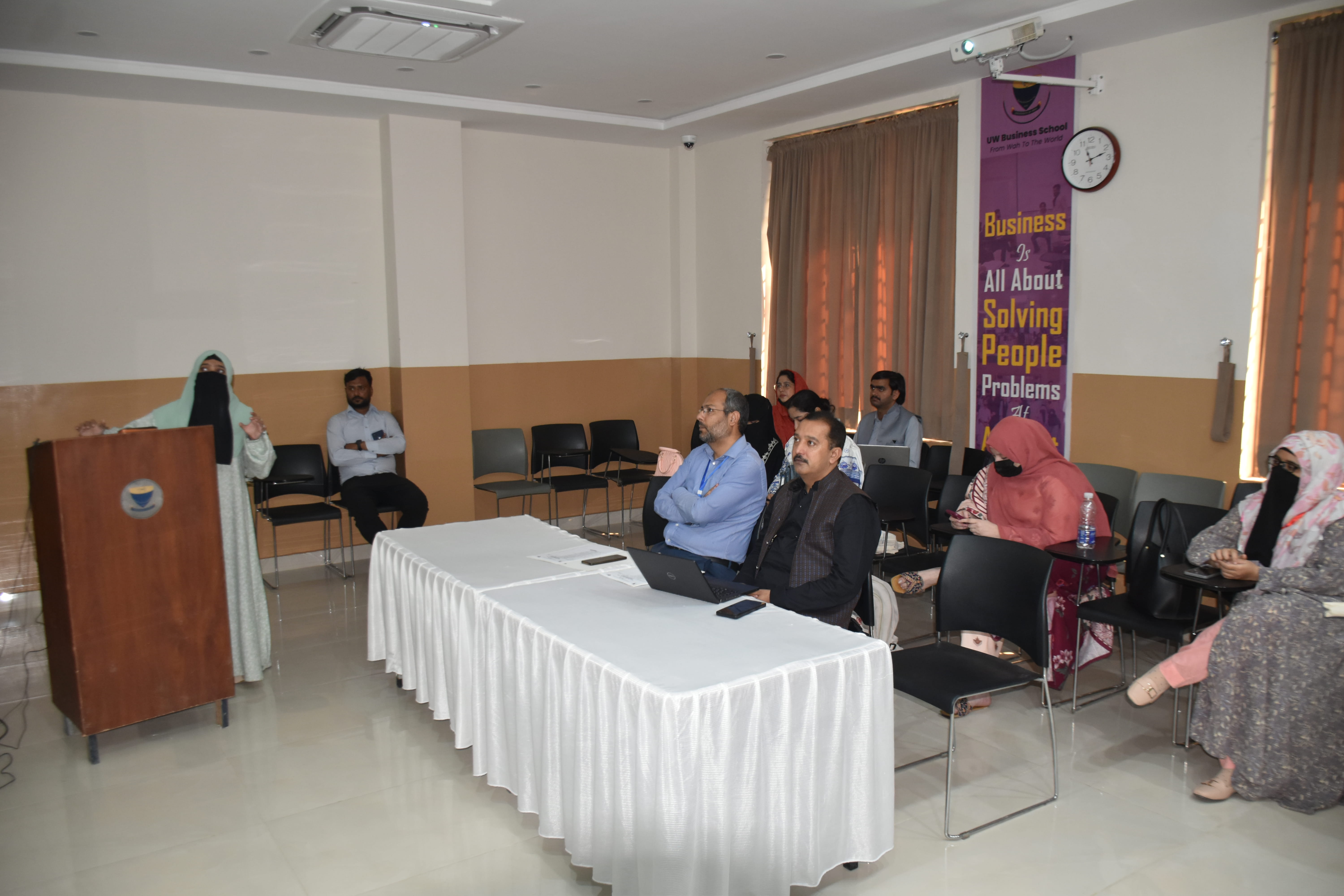
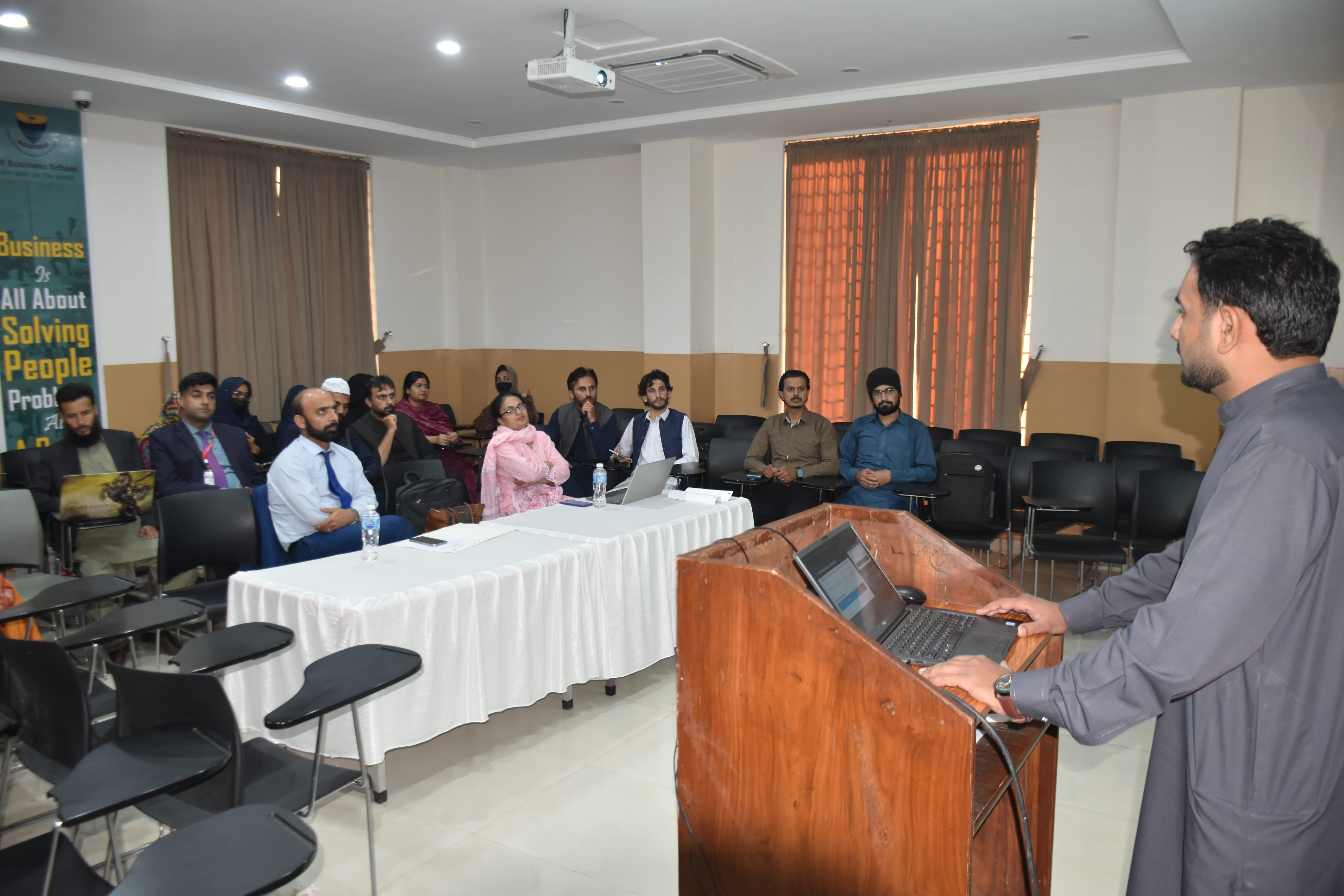
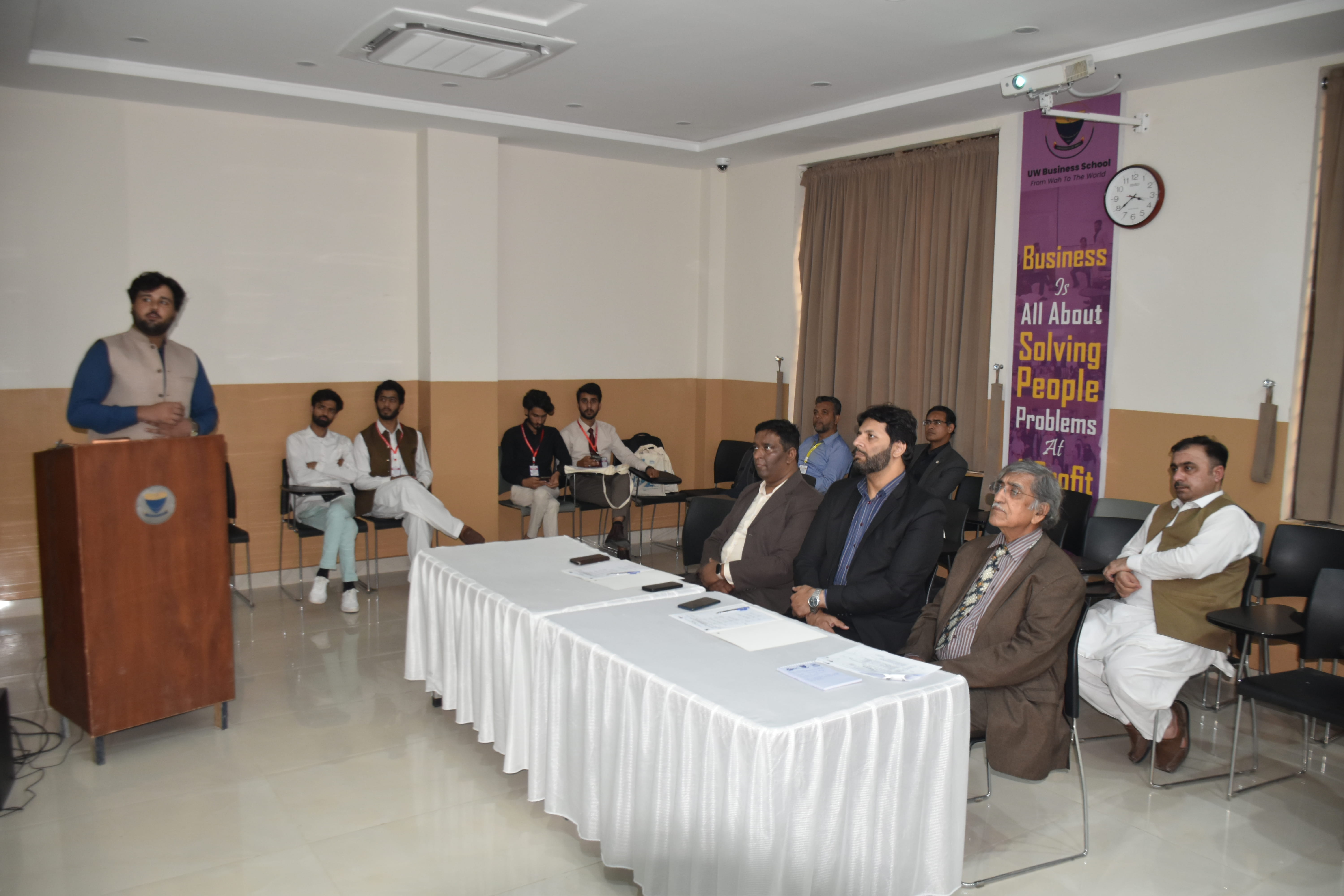
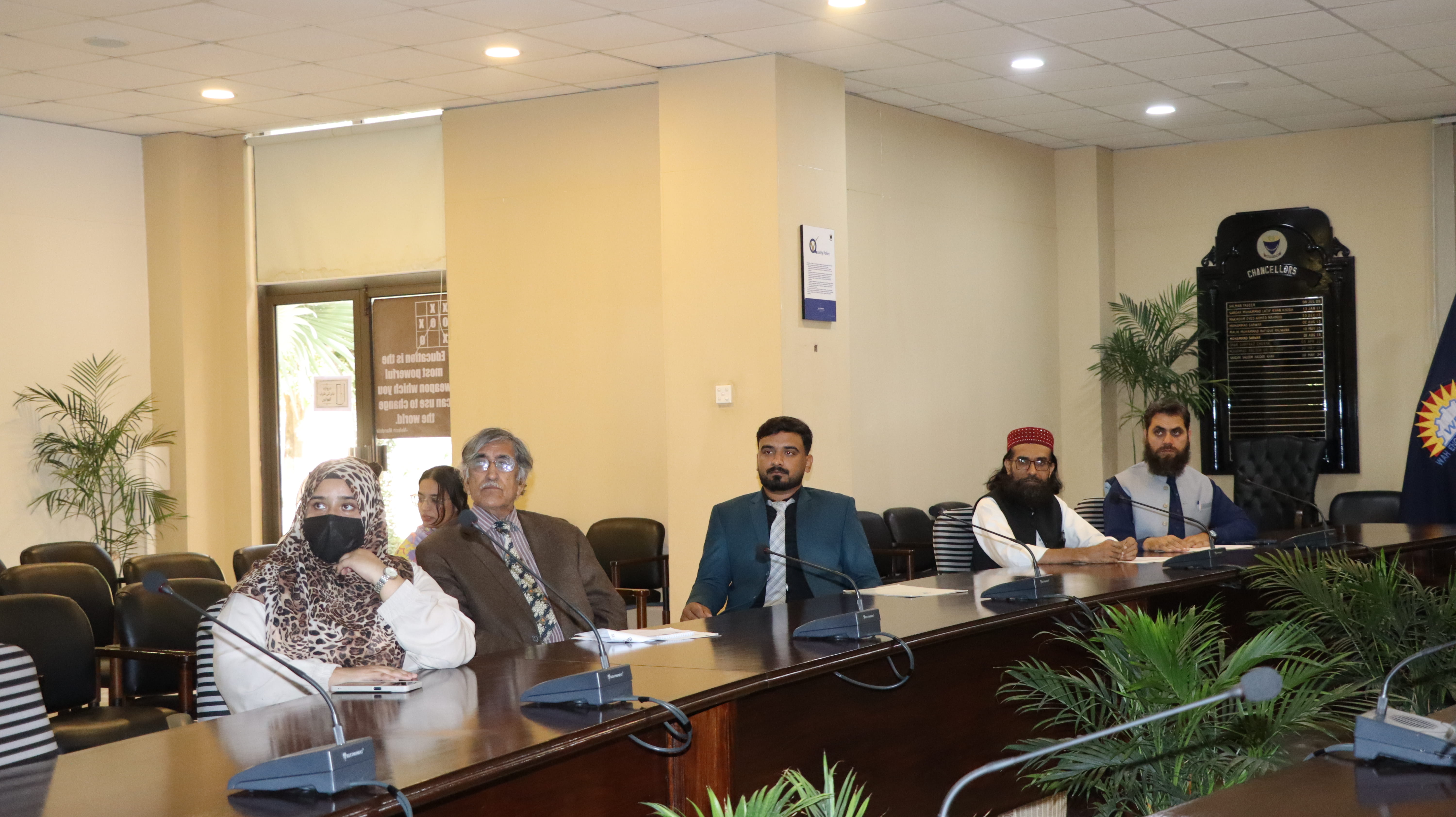
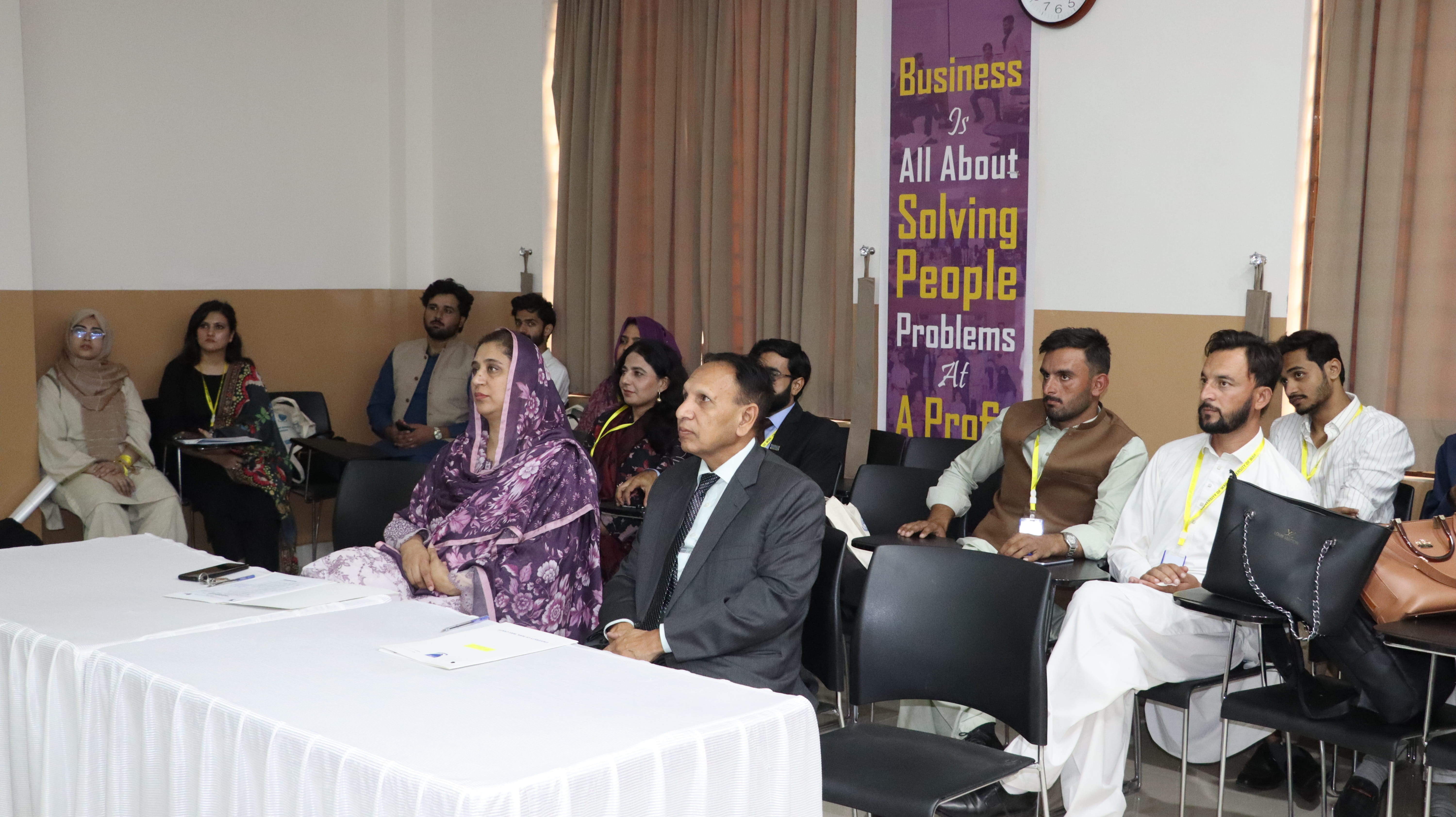
Parallel research sessions covered Basic Sciences, Engineering, Computer Science, Management Sciences, Social Sciences & Humanities. Presentations addressed artificial intelligence and machine learning, cybersecurity, biomedical applications, sustainable energy, water purification, environmental protection, climate change, agriculture, economic development, education, digital media, psychology, and sustainable design. The sessions provided opportunities for researchers from the University of Wah and other institutions to exchange findings and engage in multidisciplinary academic discussions.
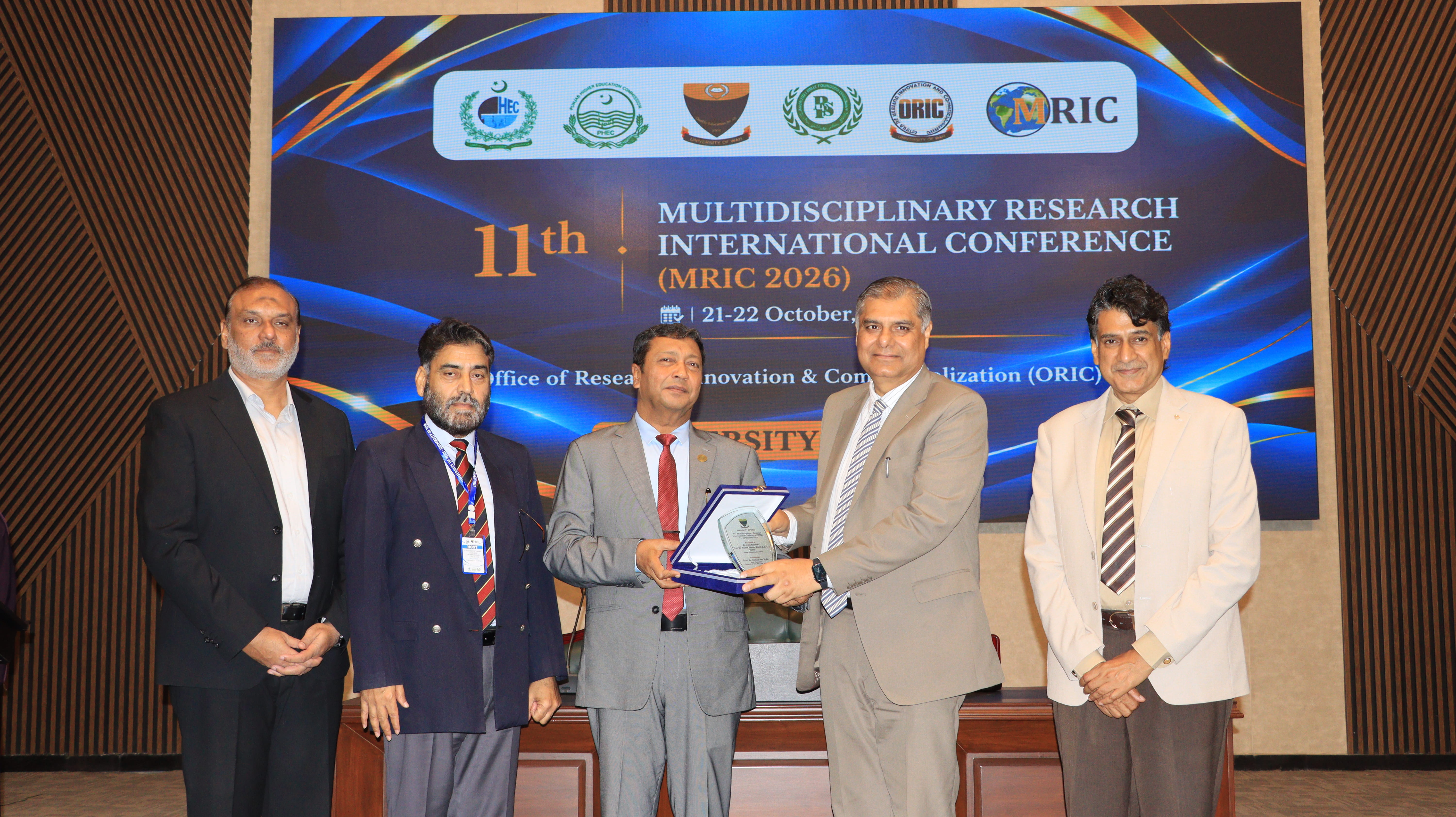
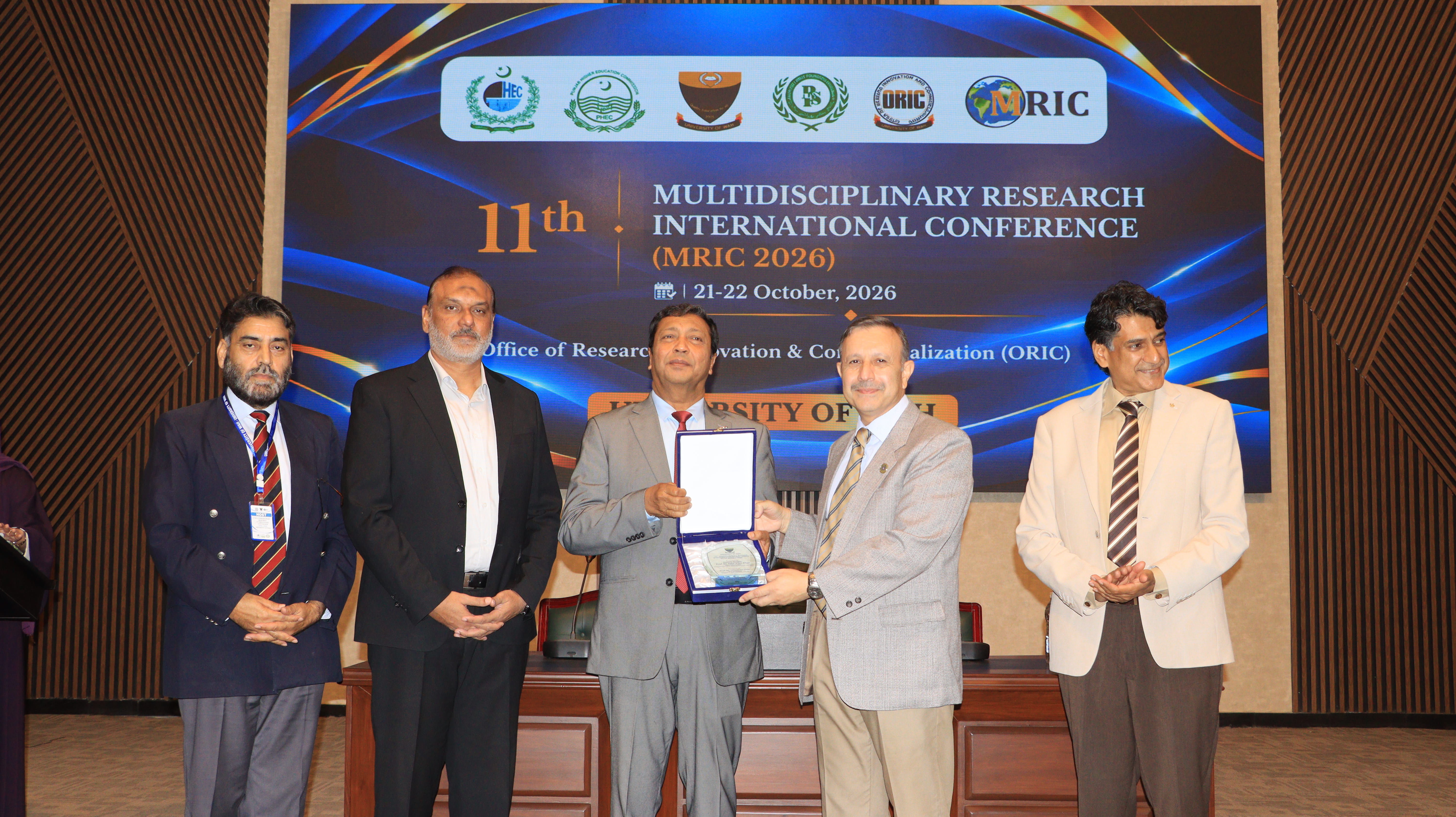
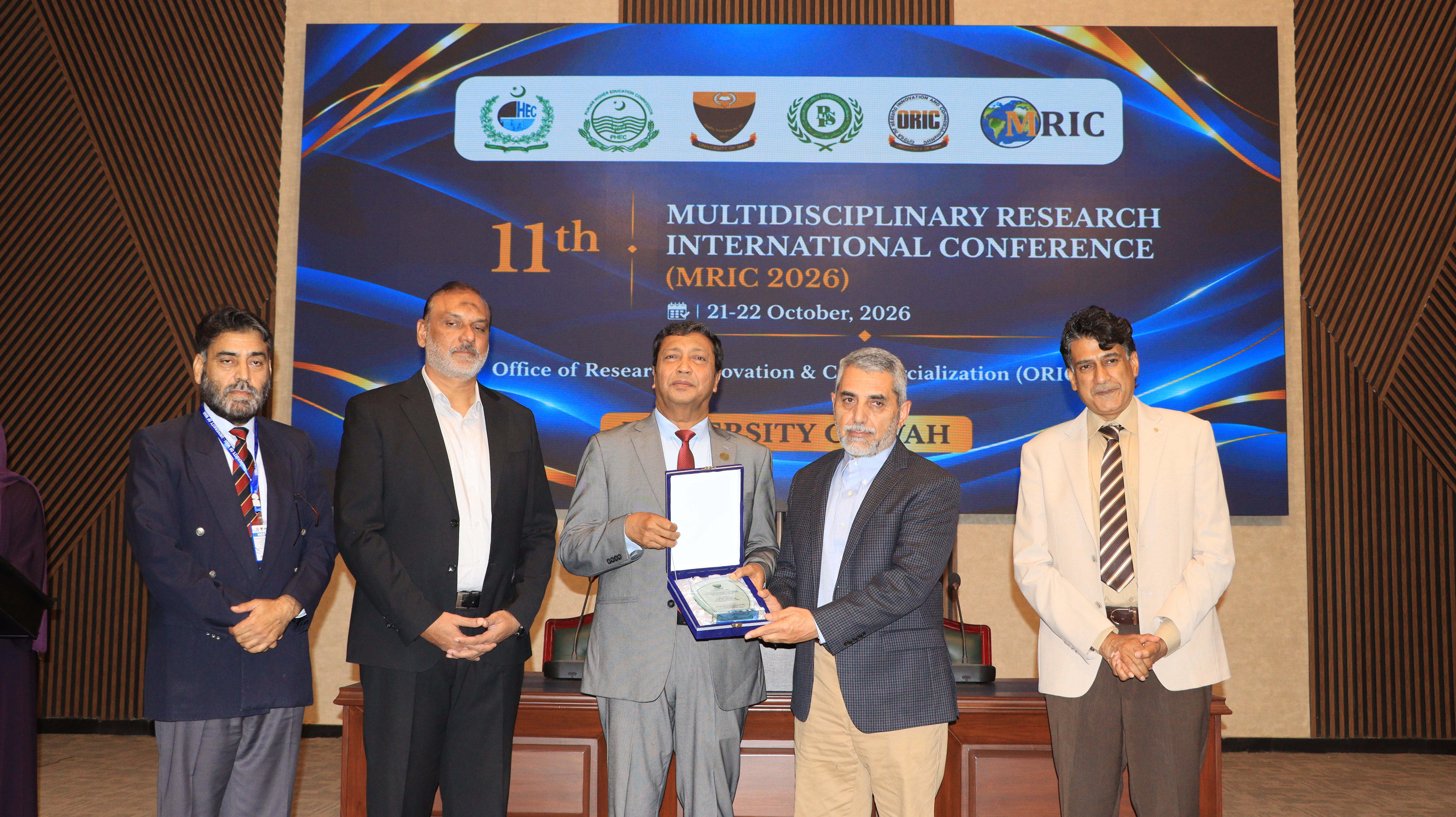
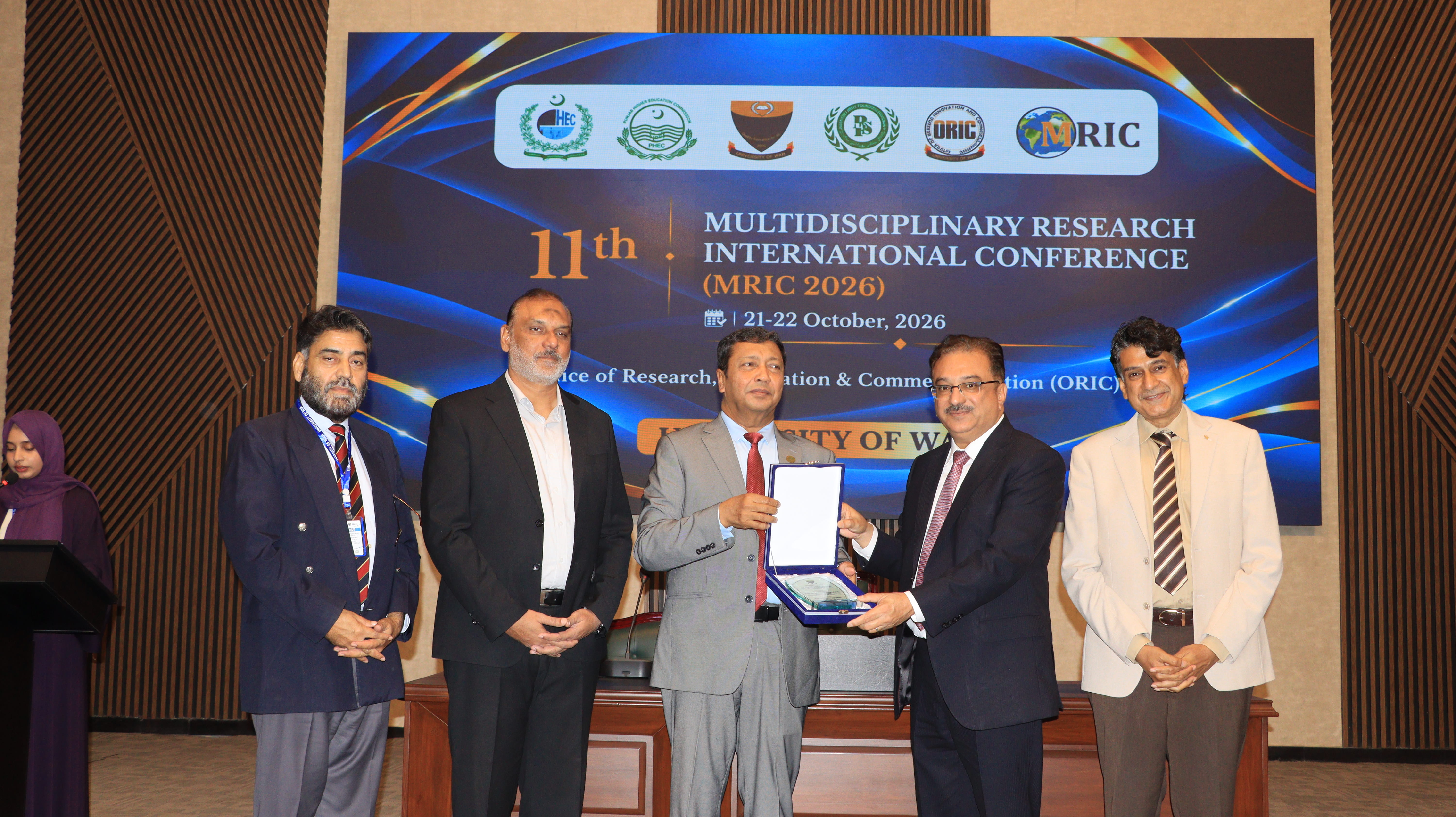
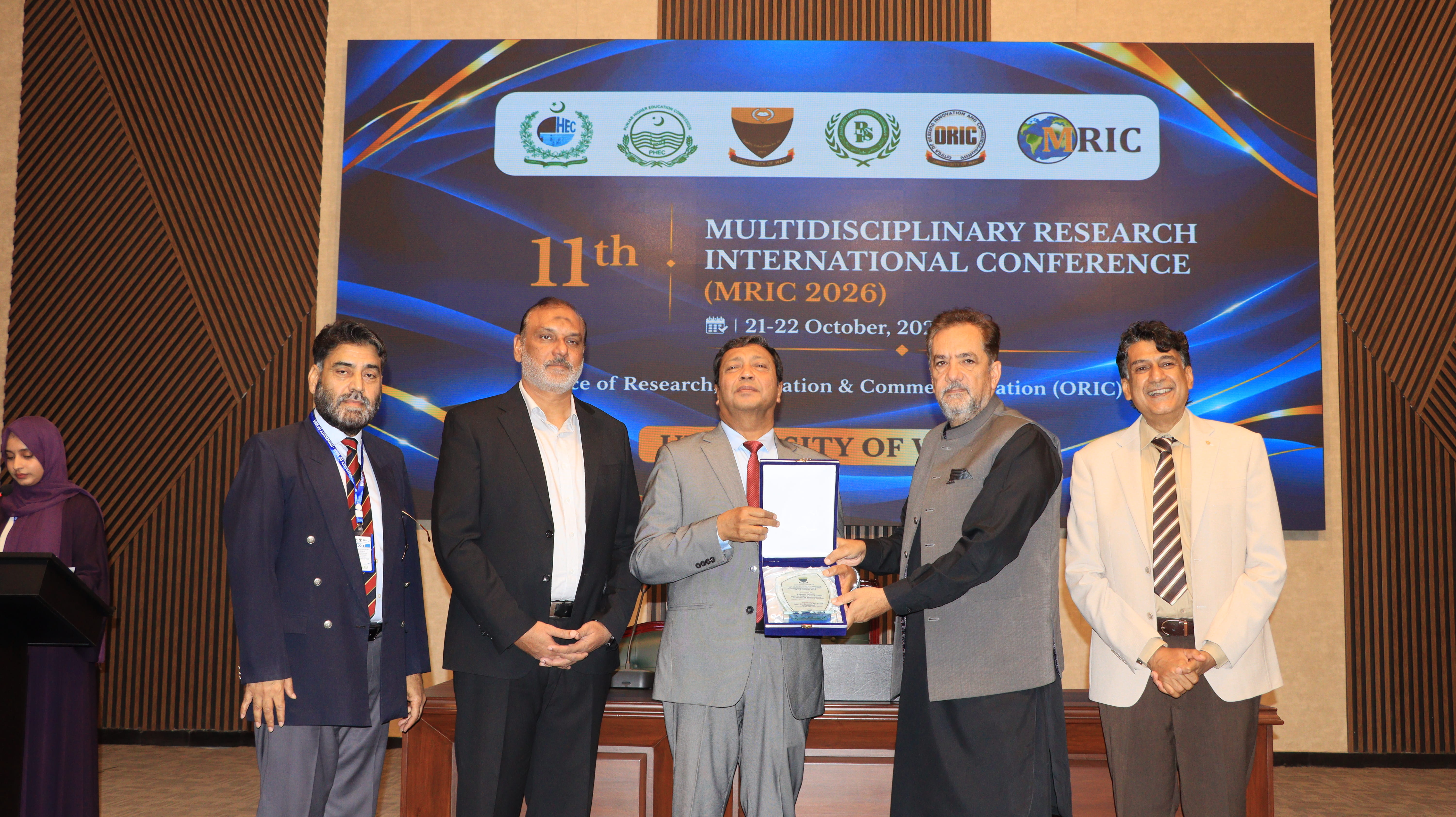
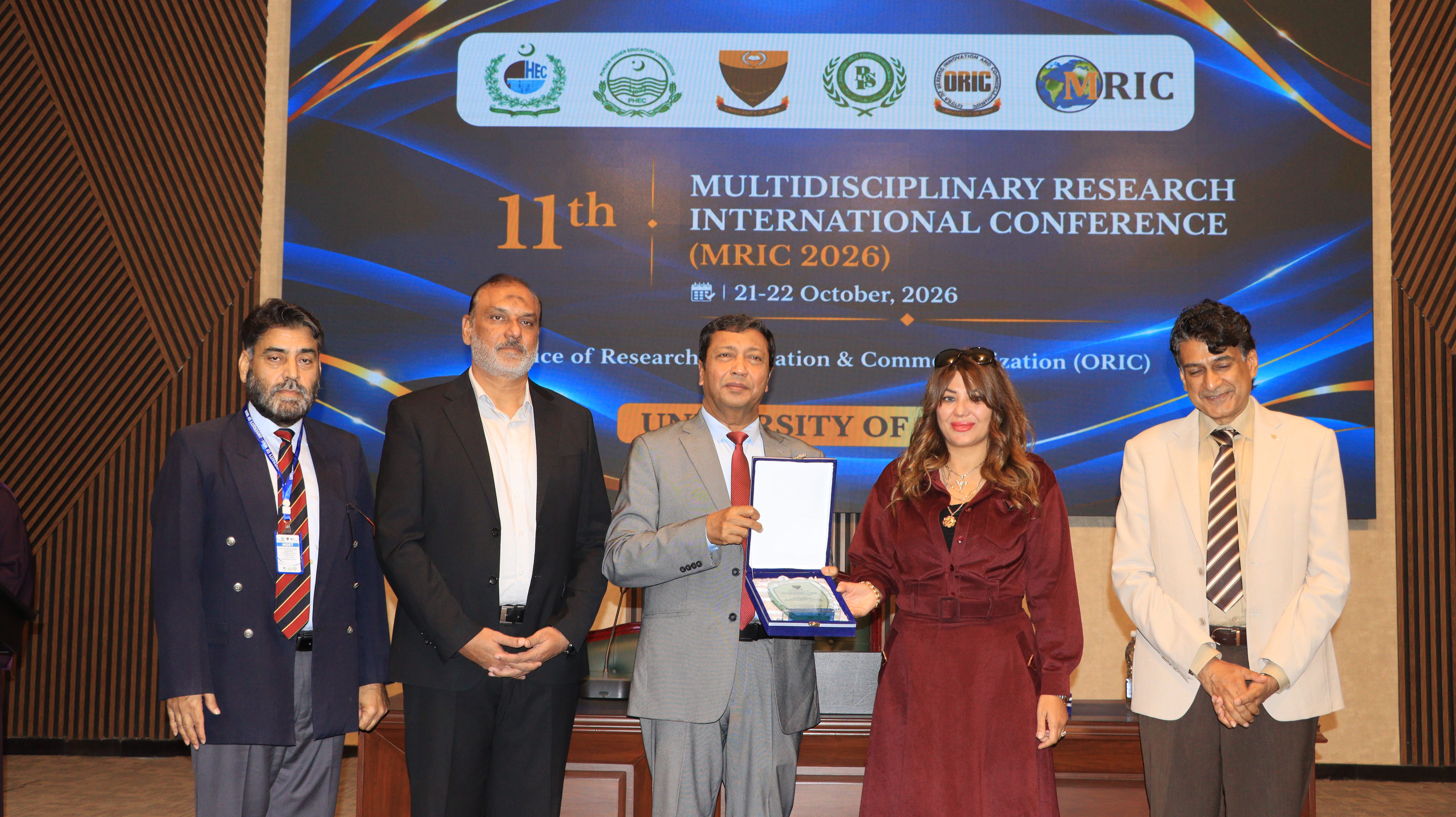
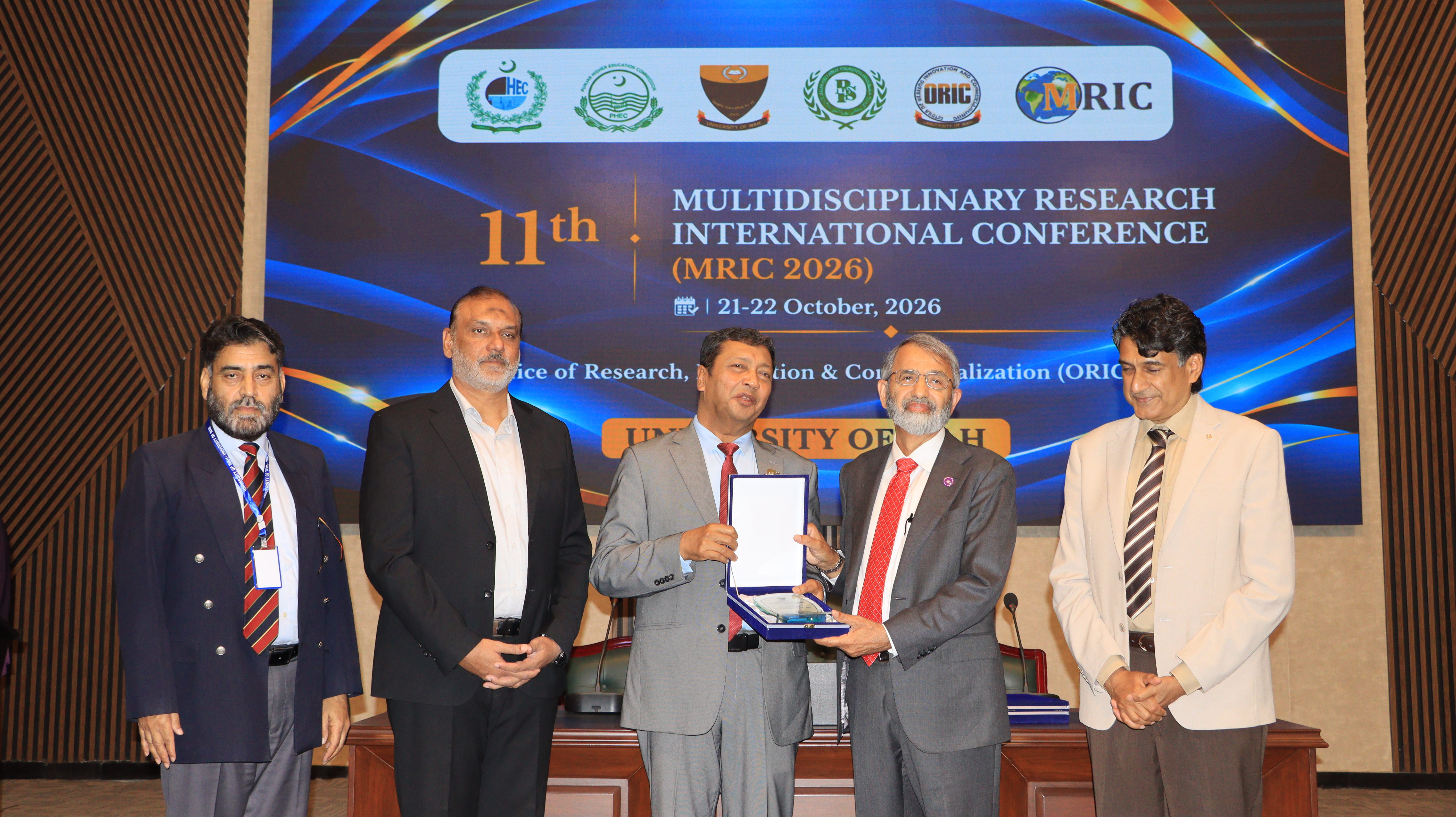
The program also included a souvenir-sharing ceremony with distinguished guests and speakers, recognizing their participation and fostering academic goodwill and institutional ties. Through MRIC-2026, University of Wah continues to promote research excellence, innovation, and academic collaboration at the national and international levels, encouraging interdisciplinary approaches to contemporary challenges and sustainable development.